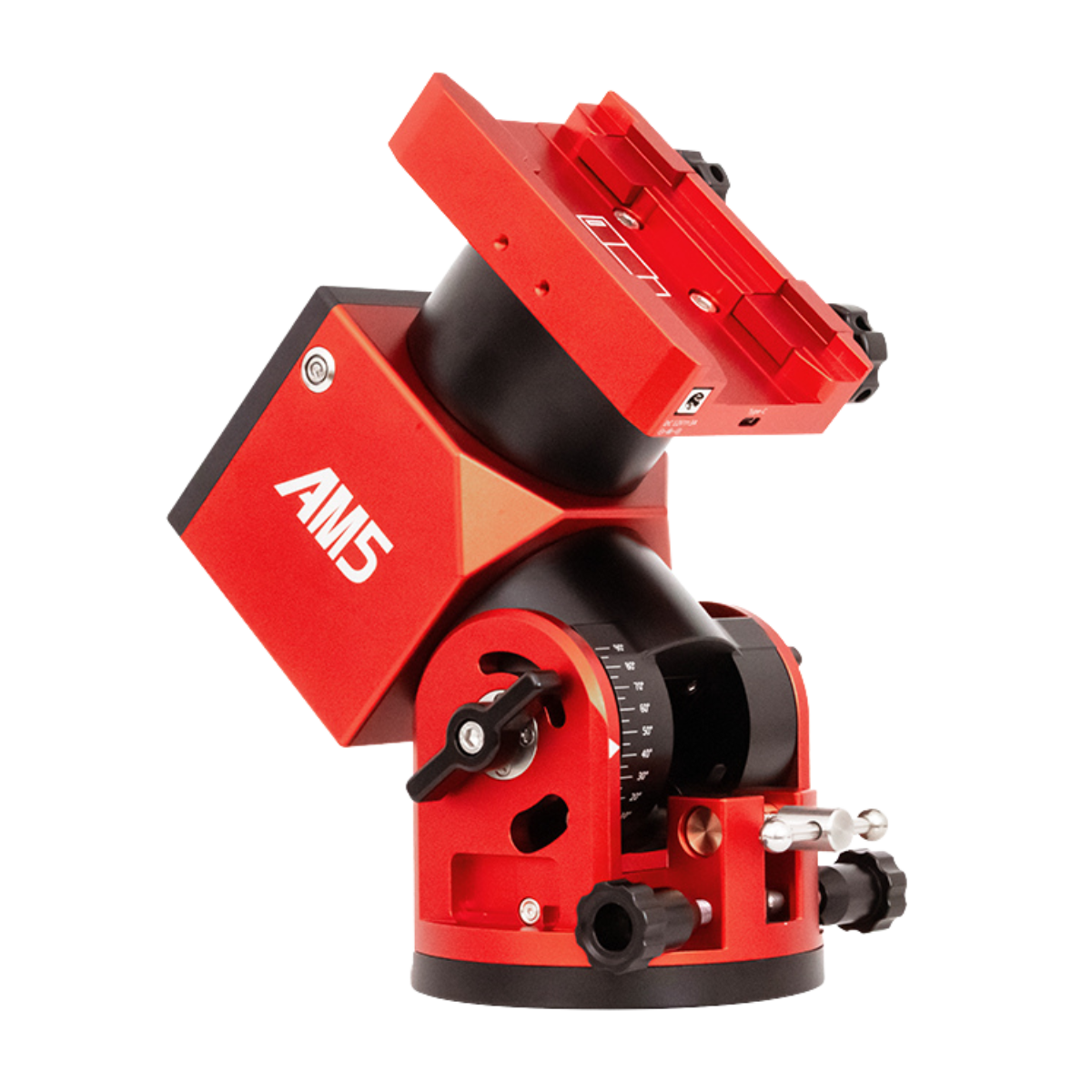
The telescope mount that grows with you, precision that keeps you exploring
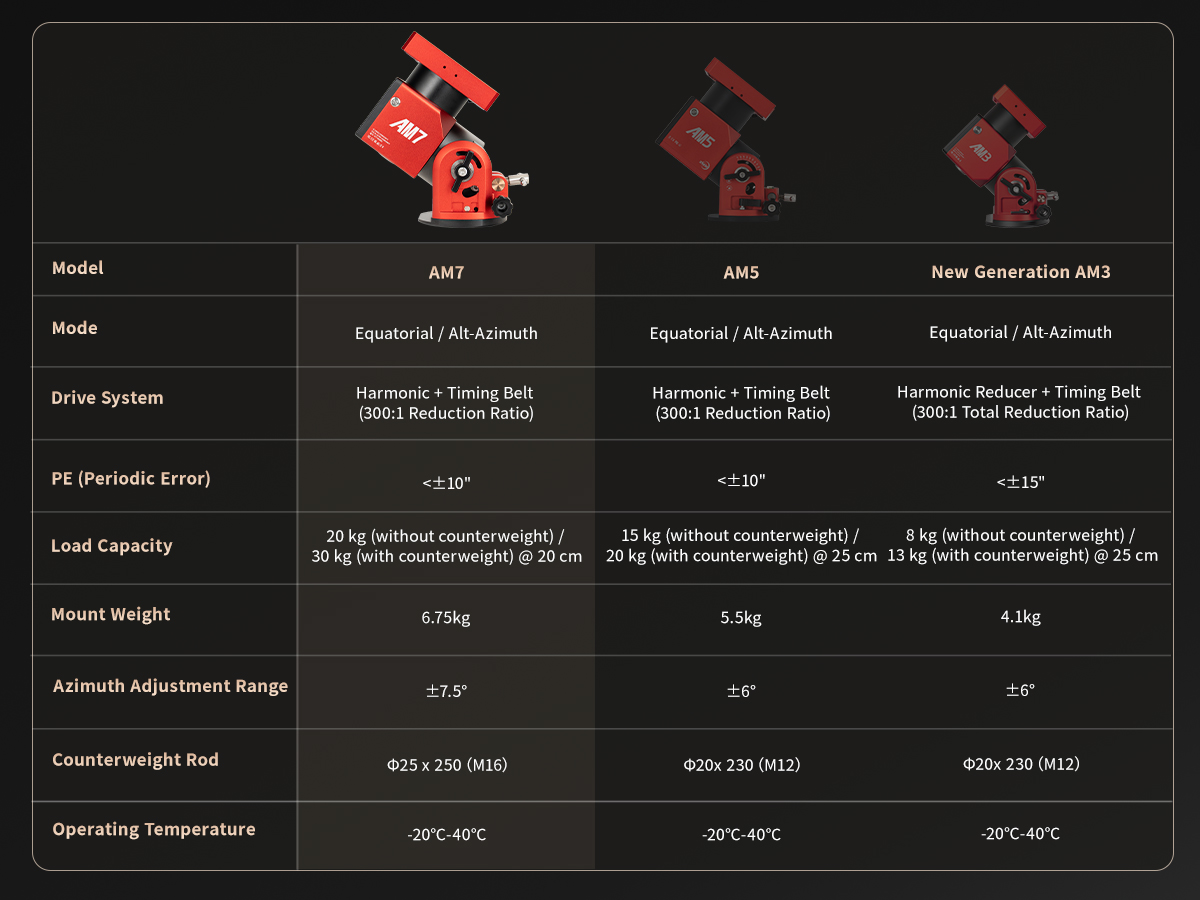
1. High capacity, two ways Carries up to 20 kg with no counterweight. Up to 30 kg with a counterweight.
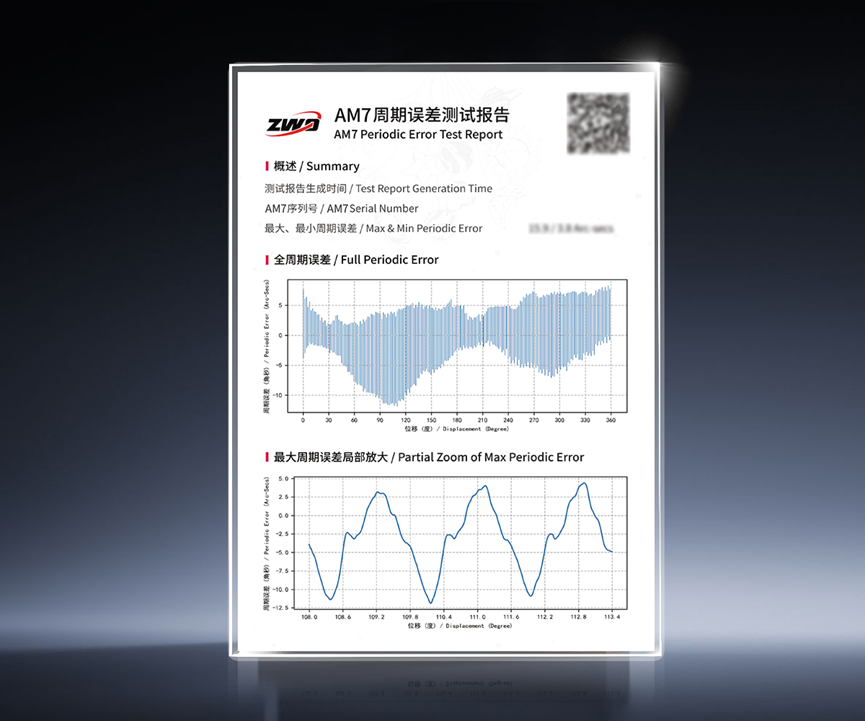
2. Precision you can verify Periodic error is controlled within plus or minus 10 arcseconds, and every mount includes its own measured PE test report.
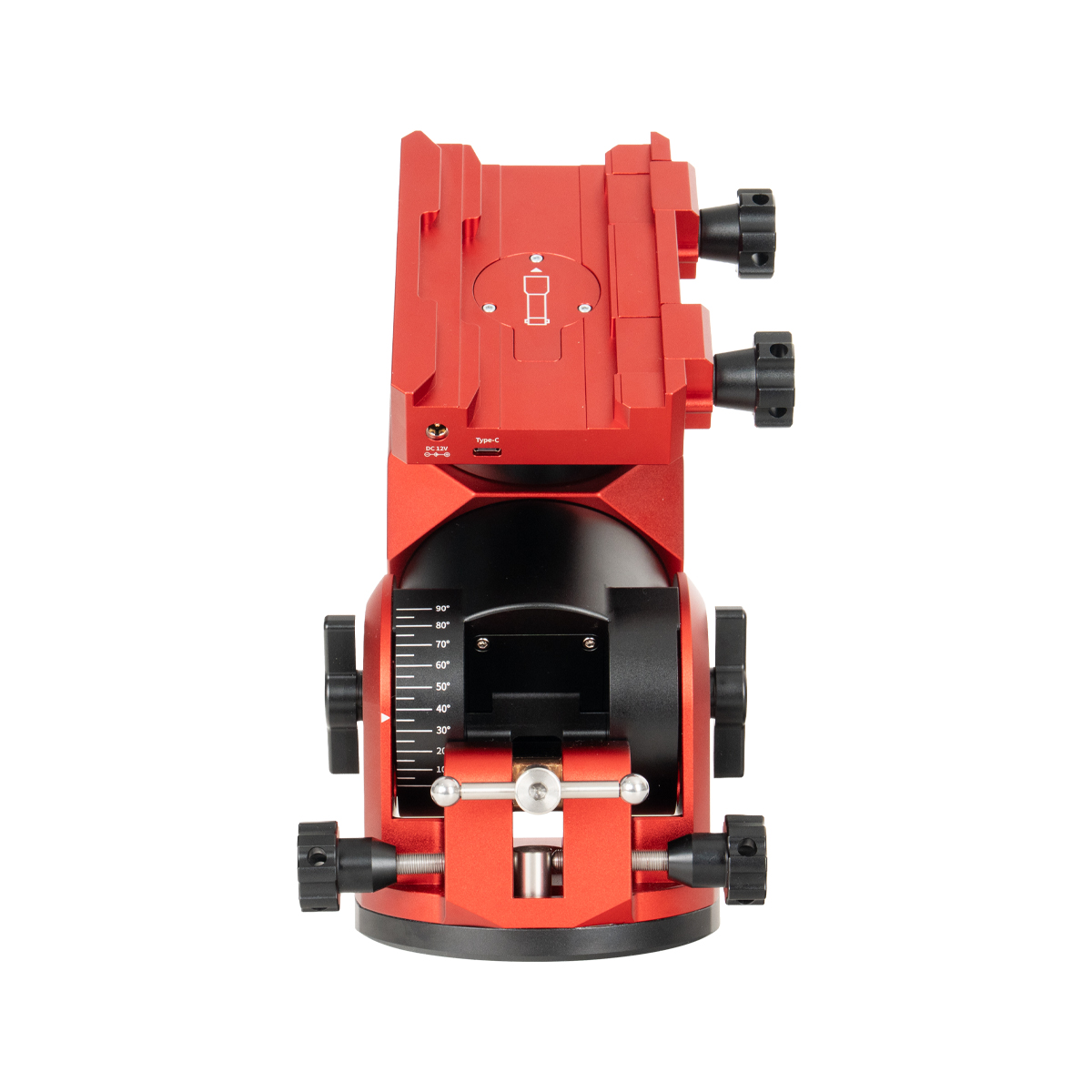
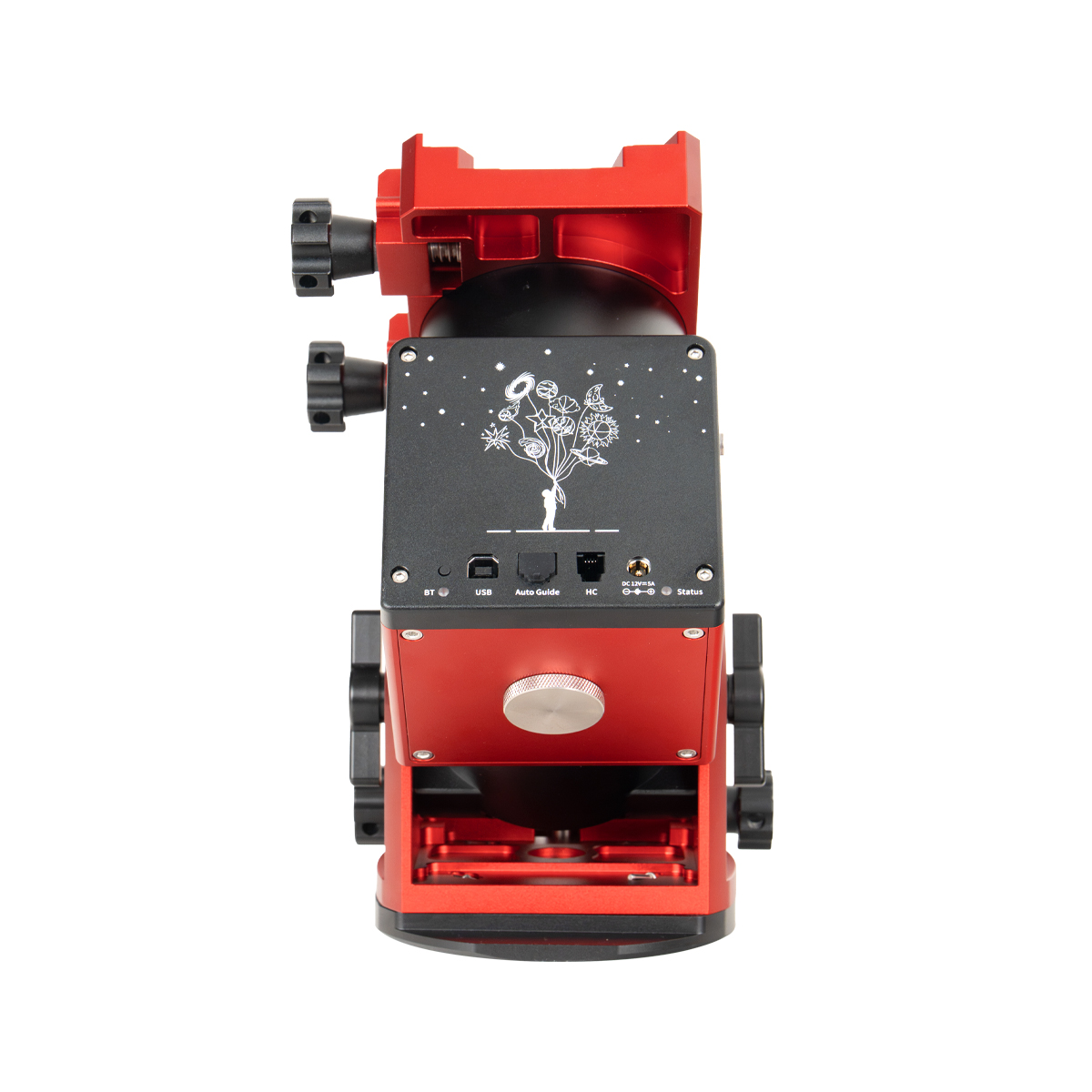
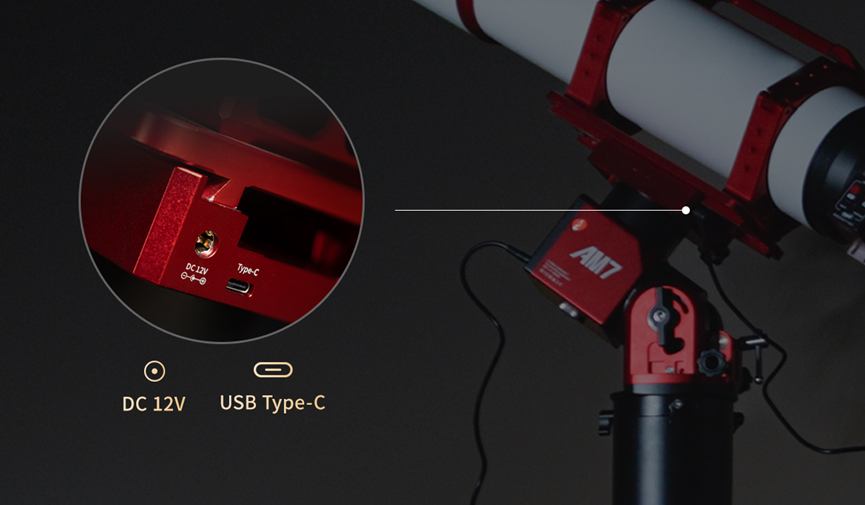
3. Cleaner setup, less mess Built in USB C and DC power ports on the dovetail saddle help keep cables organized.
4. Two modes, one mount Equatorial mode for tracking and imaging. Alt-azimuth mode for visual observing.
5. Works anywhere on Earth Zero to 90 degrees altitude range means it can be used at any latitude worldwide.
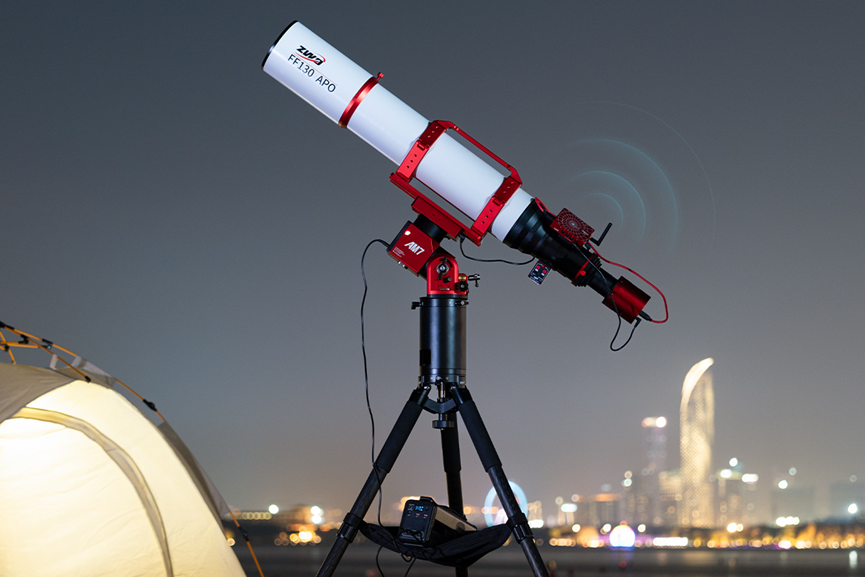
6. Control the way you like Bluetooth, Wi Fi, or the included hand controller.
7. Ready for cold nights Rated down to minus 20 C.
8. A control system built for reliability ZWO’s in house control system is designed for stable, dependable operation.
9. Portable by design Despite its capacity, the mount weighs about 6.5 kg.
10. Backed by support and a global community ZWO mounts are widely used by astrophotographers worldwide, with a strong user community and support network.

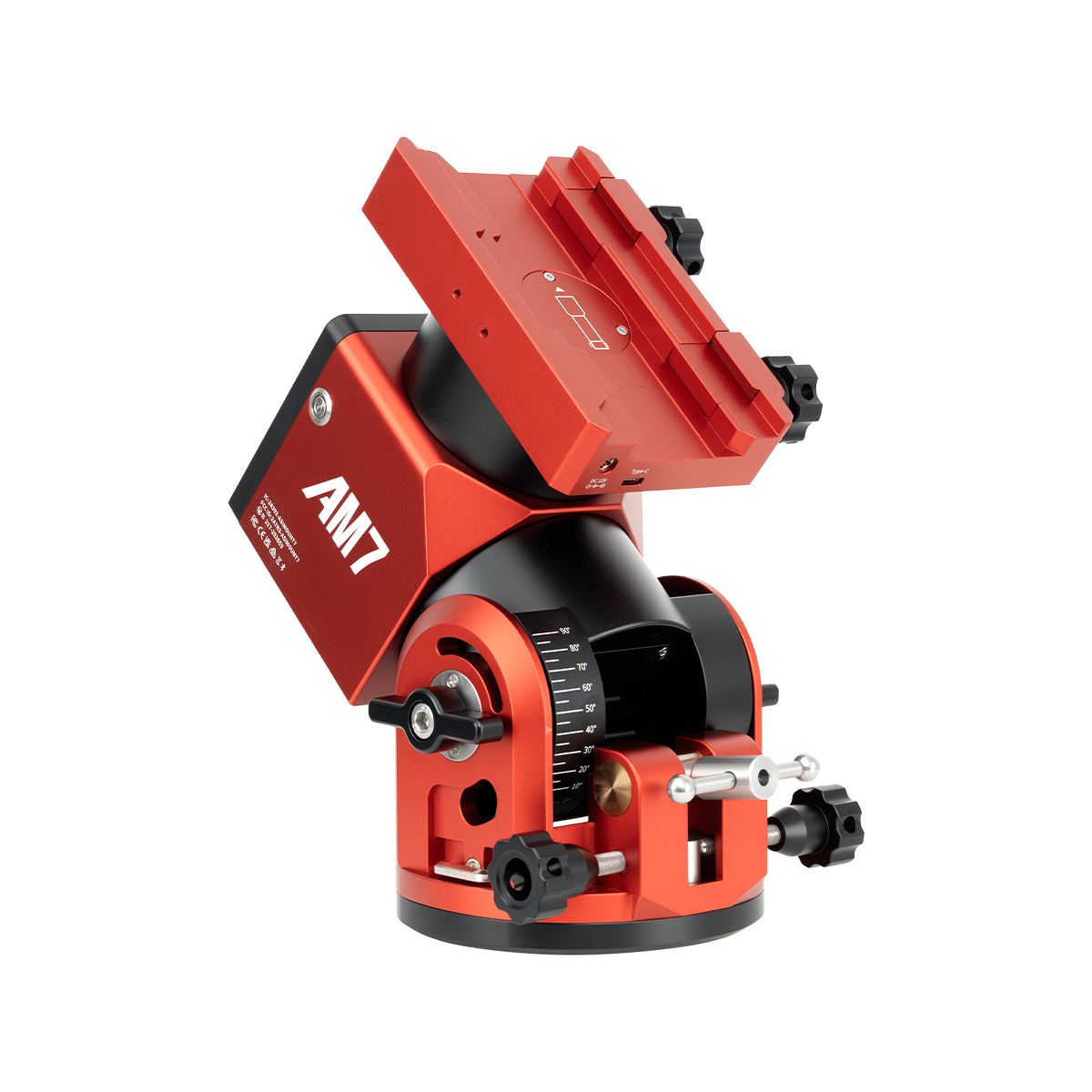
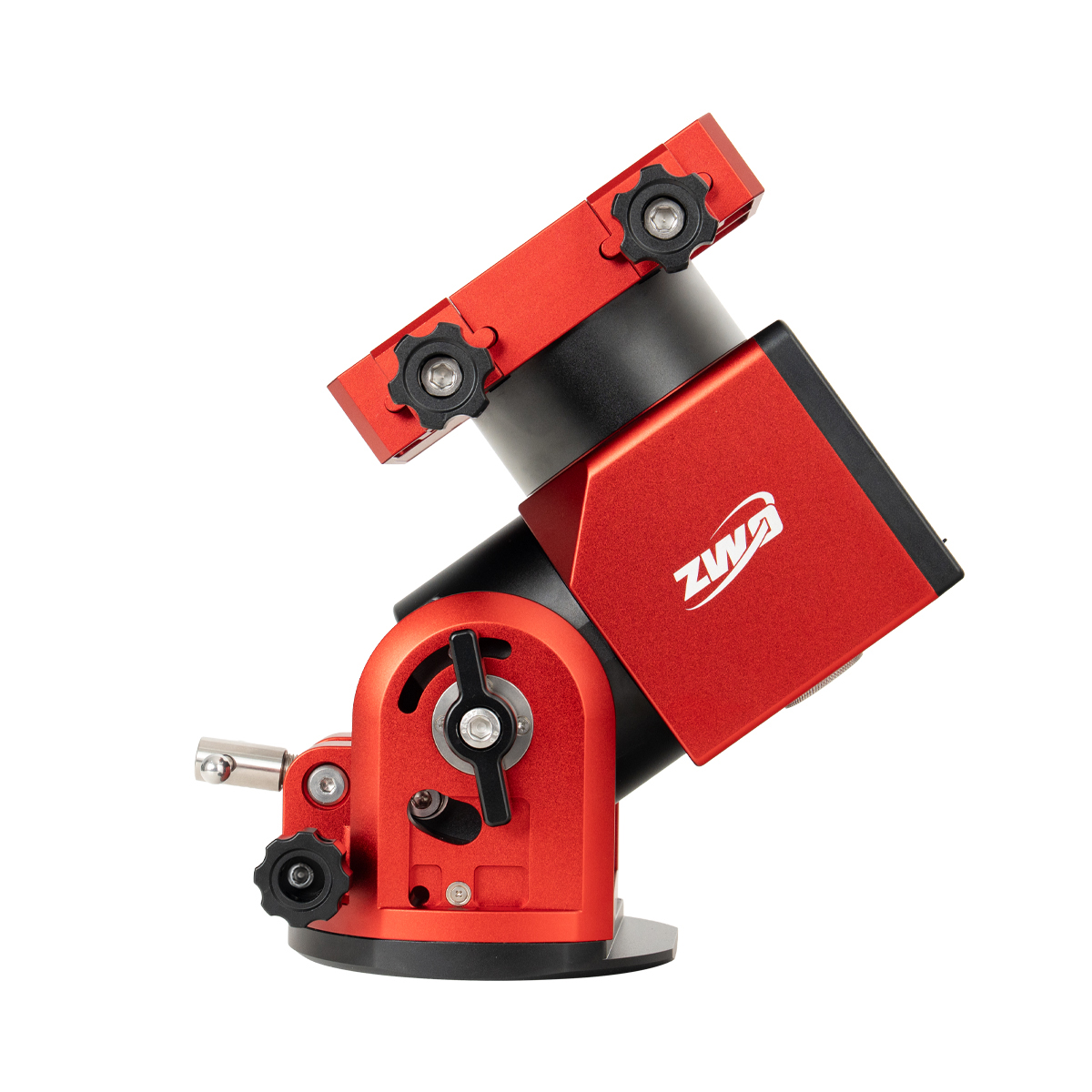
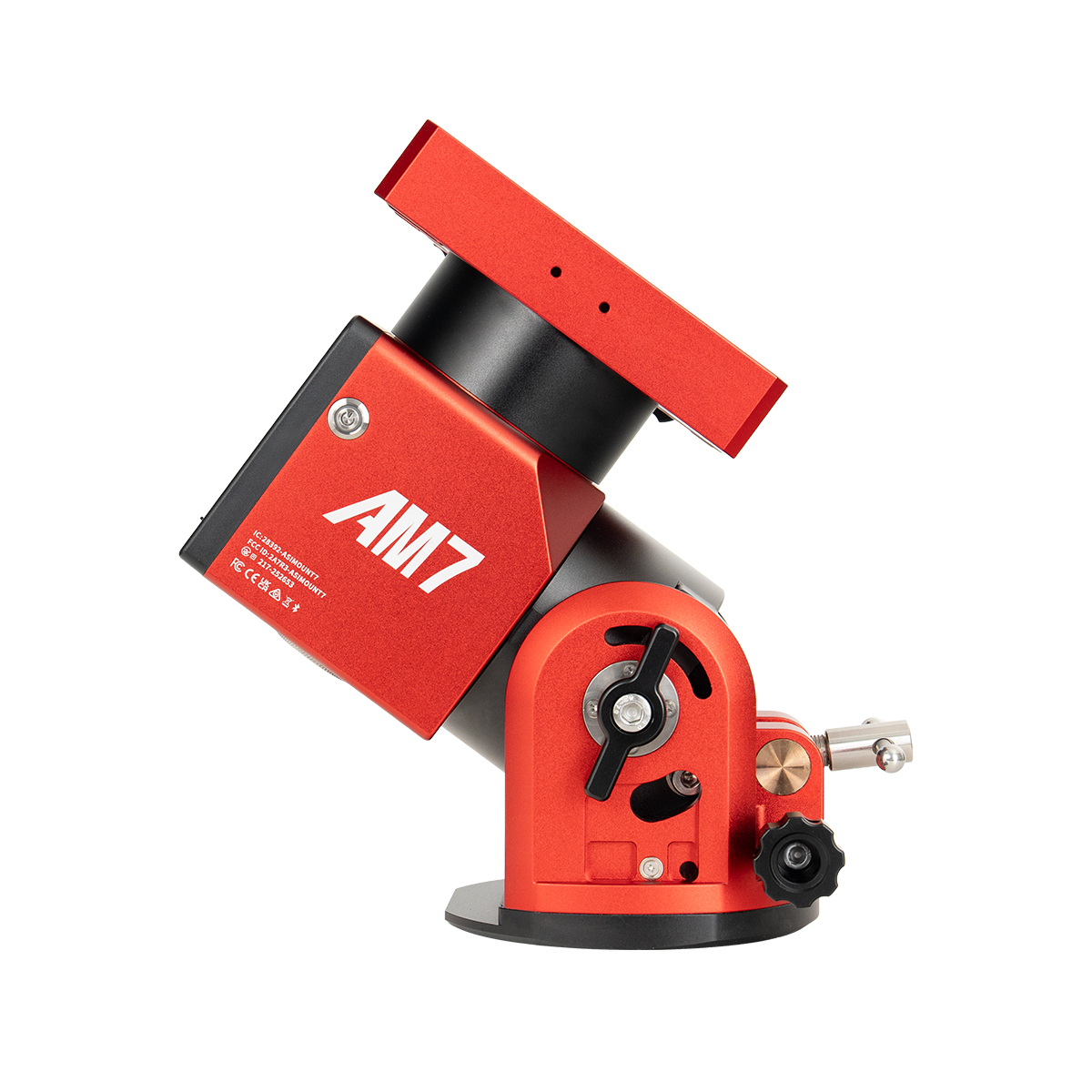
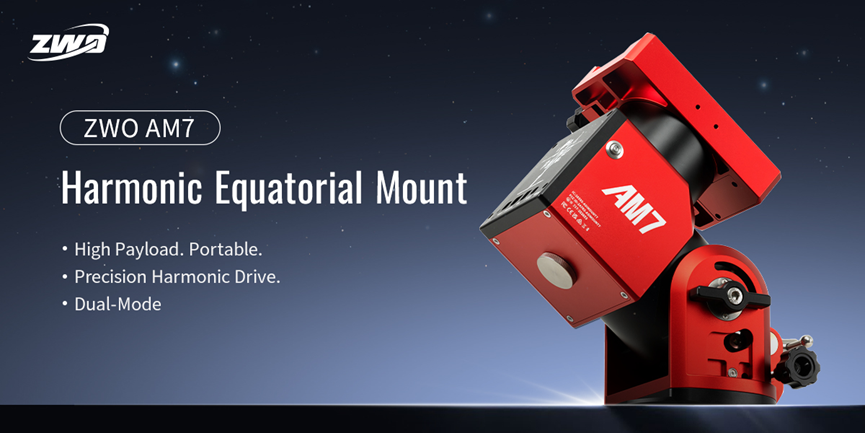
The AM7 is ZWO's highest-capacity harmonic drive telescope mount. It is built with heavier imaging rigs in mind, such as telescopes with long focal lengths, where tracking accuracy matters most.

Load Capacity
The AM7 supports up to 20 kg without counterweights, and up to 30 kg with counterweights installed. That gives you room to run a serious setup now and still scale up later.
Tracking and GoTo
The goal is simple. Solid tracking and reliable GoTo under real payload, so you spend less time managing limits and more time imaging and exploring the night sky.
A Mount for the Long Haul
The AM7 handles both small and heavy setups, so you can grow into bigger telescopes without outgrowing your mount.
*Weights are manually measured and may vary slightly.
Professional Grade Precision With a Custom Harmonic Drive Mount
Built out of years of ZWO development and tuned for astrophotography, the AM7's custom harmonic drive is designed for smooth, stable tracking with strong torque and consistent performance.
Every AM7 is individually tested before it ships. You get a unique periodic error curve report for your mount, so you can see the measured tracking performance of the exact unit you own.
Key specs and testing
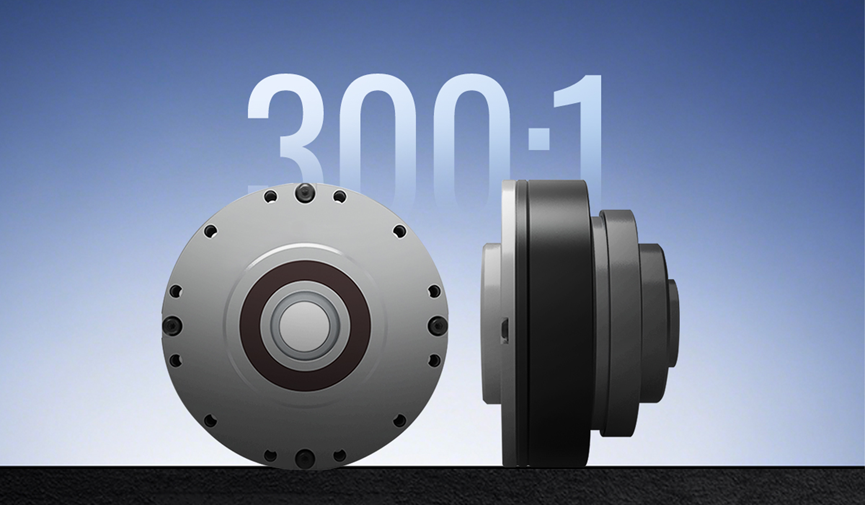
Custom harmonic drive system
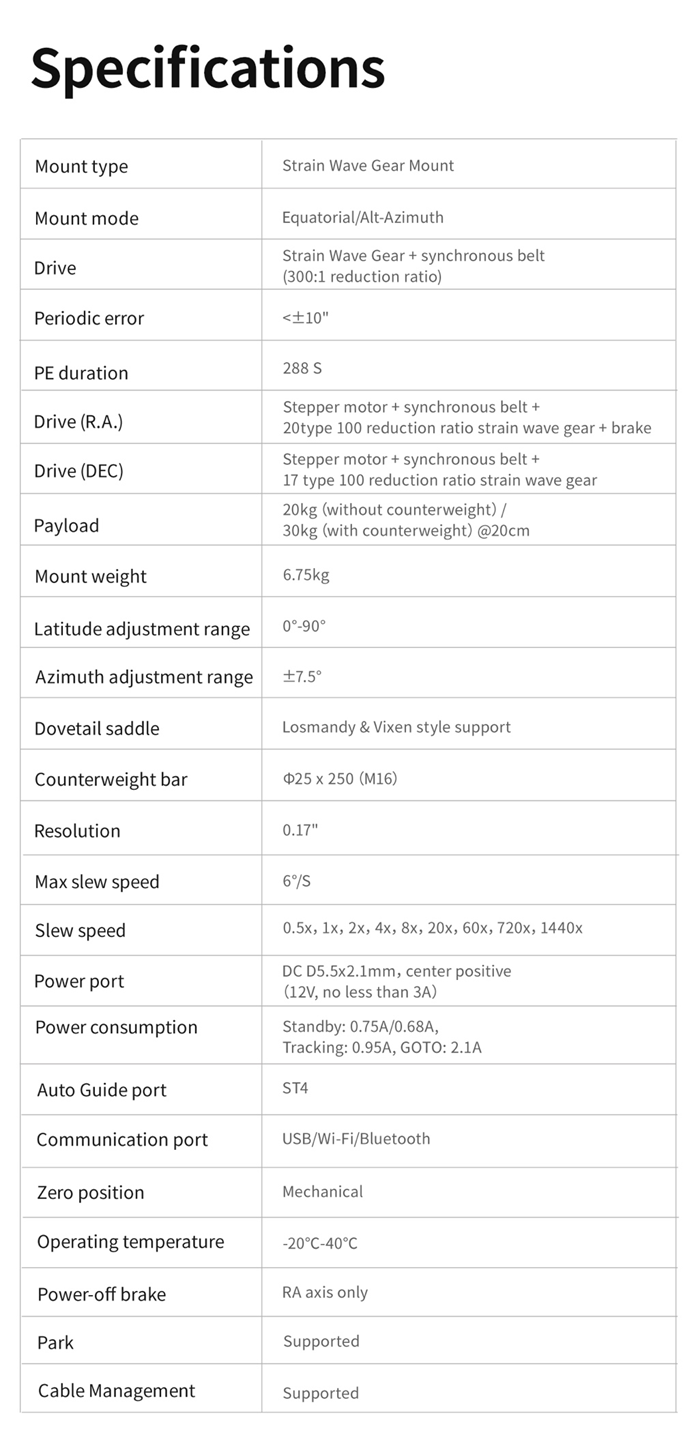
Total harmonic gear reduction ratio 300 to 1
Individual periodic error test report included
Periodic error controlled within plus or minus 10 arcseconds for dependable high precision tracking. (That's the thickness of a human hair viewed from about 20 meters away).
A lot of telescope setups end up as a tangle of wires and extra adapters. The AM7 is built to keep things cleaner and simpler.
With built in USB-C and power ports on the mount, you can run power and data where you need it without cables hanging everywhere. Even if you have a custom rig with a camera, focuser, guide gear, and other accessories, the AM7 helps reduce clutter so you can set up faster and spend more time imaging the night sky.
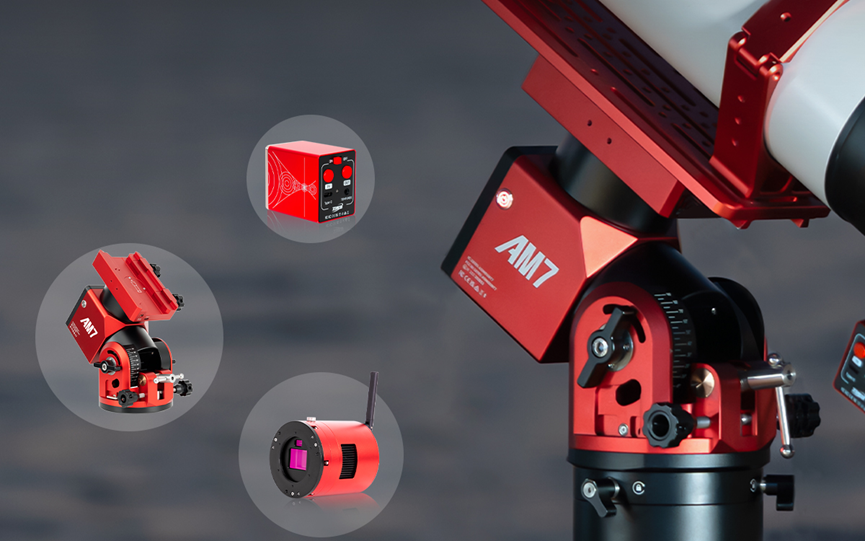
At only 6.75 kg, the AM7 is designed to be easy to carry and quick to set up. The built in dovetail plate includes a USB C port and DC power outlets, so you can route power and data through the mount instead of running a mess of cables around it. The result is cleaner cable routing and far less of the usual cable spider web.
For mount adjustments when needed, the AM7 also includes a magnetic hex wrench that stores directly on the mount body, so it stays close at hand and does not get lost in the dark.
One Mount for Viewing and Imaging
The AM7 supports two modes so you can use the same mount for casual observing or serious imaging. Switching modes is done with a quick hardware change to the mount's position, then you select the mode on the hand controller.
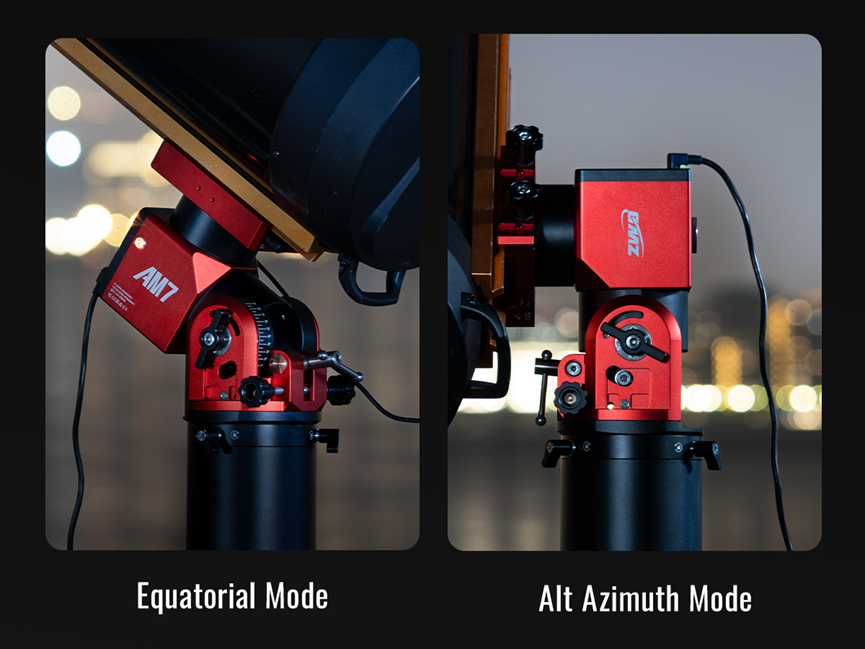
Equatorial Mode
Best for accurate sky tracking for imaging and longer sessions.
Alt Azimuth Mode
Best for visual observing with quick setup and simple pointing.
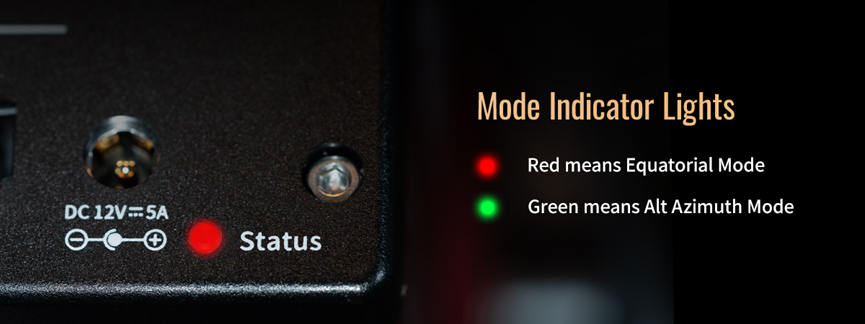
Mode Indicator Lights
Red means Equatorial Mode
Green means Alt Azimuth Mode
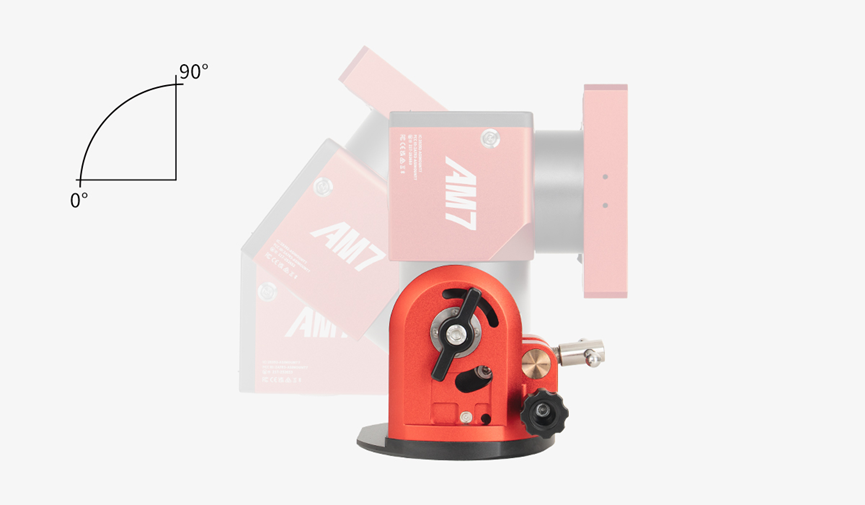
AM7 supports a full 0 to 90 degree altitude adjustment range, so it can be aligned and used almost anywhere on Earth, from the equator to the poles. That makes it a practical choice for travel or a permanent setup, no matter where you observe.
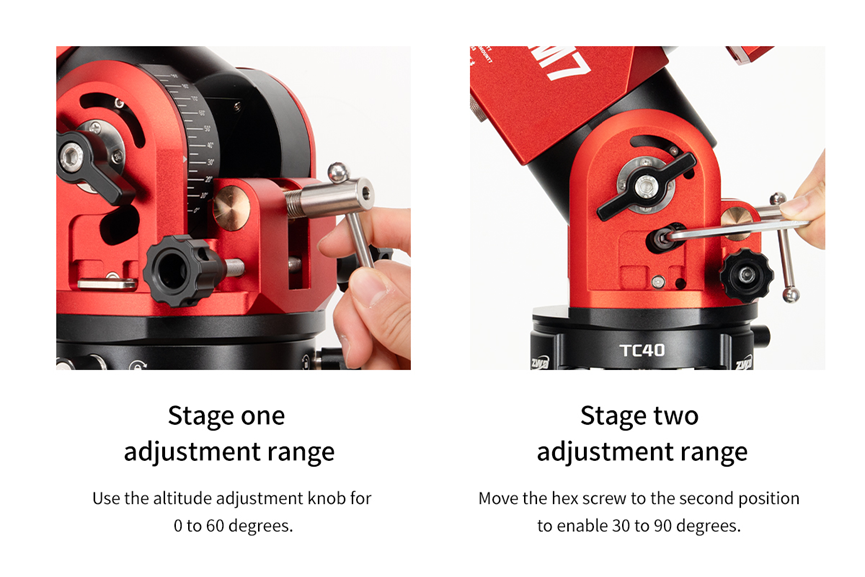
Stage one adjustment range
Use the altitude adjustment knob for 0 to 60 degrees.
Stage two adjustment range
Move the hex screw to the second position to enable 30 to 90 degrees.
Portable Control, Refined Wi-Fi and Bluetooth Connectivity
AM7 gives you two simple ways to connect, Wi-Fi and Bluetooth, so control is always straightforward.
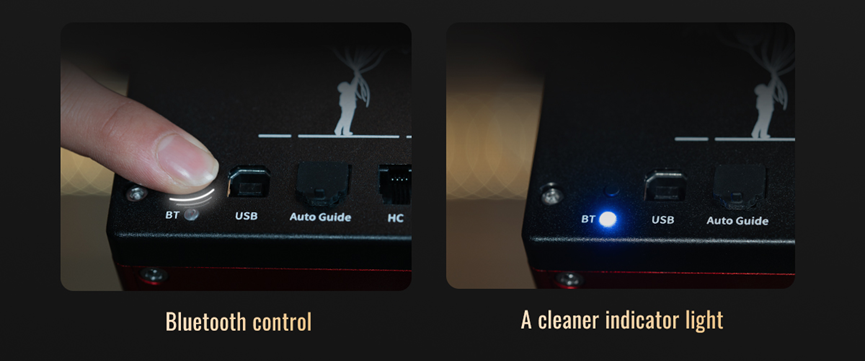
Bluetooth makes quick sessions easier. Open your phone, connect directly, and control the mount without a hand controller. No need to switch your device over to the mount’s Wi Fi network just to get running.
Bluetooth control
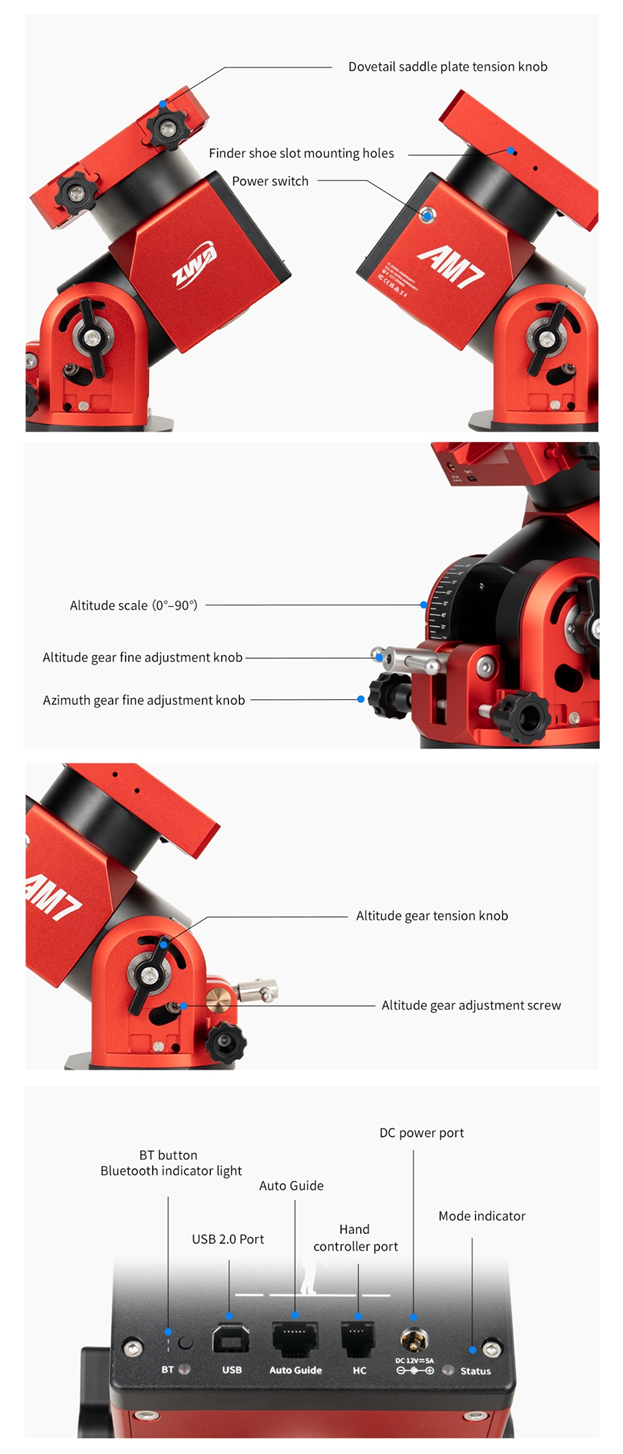
You can turn Bluetooth on or off by holding the BT button for 10 seconds. The setting is saved, even after power off.
A cleaner indicator light
A new light guide column softens the LEDs, so the status lights are easier on your eyes at night and won't interfere with your camera's either.
More Than a Controller
AM7 includes a joystick style hand controller designed for comfortable, and intuitive control. It is also a built in connection hub for the mount. With its integrated Wi-Fi hotspot, you can control the mount wirelessly, manage settings
through a simple web interface, and perform firmware updates for both the hand controller and the mount. This is the main path for keeping the system current.
Bluetooth When You Want It
Off When You Need It
Bluetooth control is a convenient option for direct smartphone control in the field. But some environments need tighter wireless control, like remote observatories or permanent installations where interference or policy requirements matter. For those cases, AM7 lets you easily disable Bluetooth when needed, then enable it again when it makes sense.
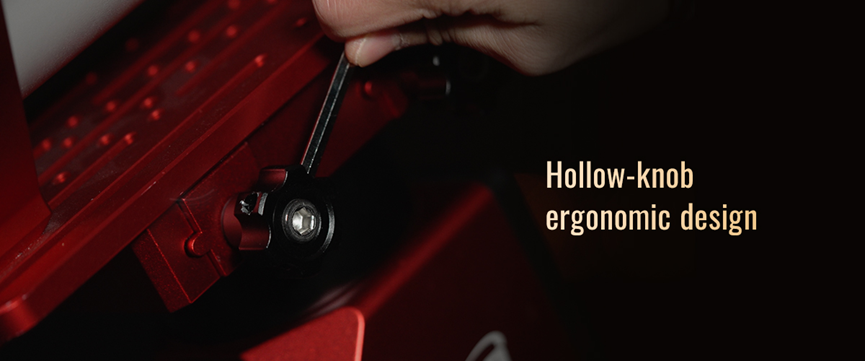
Hollow-knob ergonomic design
The dovetail plate tension knob and azimuth fine-tuning knob feature a hollow structure. When manual rotation is limited, you can insert a hex wrench to gain extra leverage, making adjustments easier and more reliable with less effort.
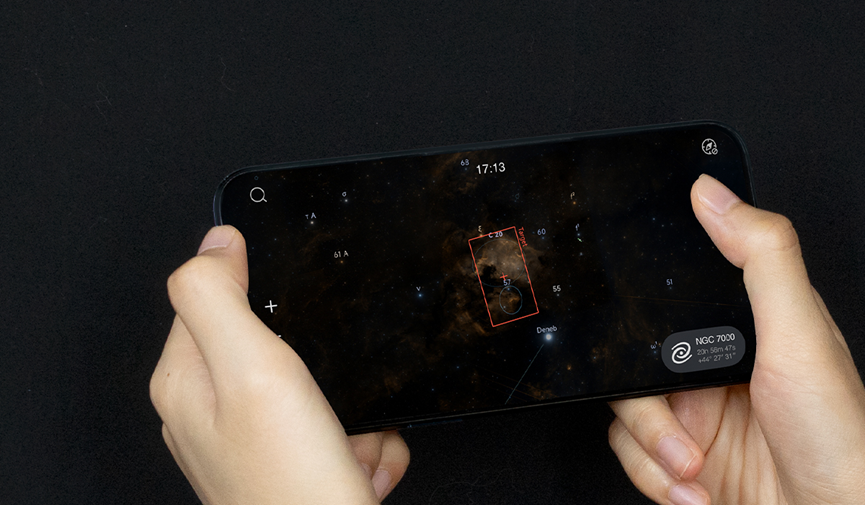
Sky Atlas Mobile App for iOS and Android
The AM7 can be controlled wirelessly using the Sky Atlas app on iOS and Android. You get a live star map, simple object search, and quick tools like Tonight’s Best, target GoTo, and precise pointing to the objects you want to observe or image.
Works Smoothly With ASIAIR in Station Mode
AM7 also supports station mode, which makes it easy to integrate with a controller like ASIAIR. With the hand controller providing Wi-Fi, ASIAIR can connect to the mount over the network, so you can run a clean setup without a direct control cable between the AIR and the mount.
ASIAIR can connect to and control the AM7 using either wireless or wired connections, so it fits cleanly into a wide range of setups.
Because AM7 and ASIAIR are part of the same ecosystem, it takes the guesswork out of driver support and compatibility. You are not stitching together software from different vendors and hoping everything plays nicely. And as ASIAIR software continues to evolve with new features, you can count on AM7 support to keep pace, with new mount capabilities integrated directly within the same system.
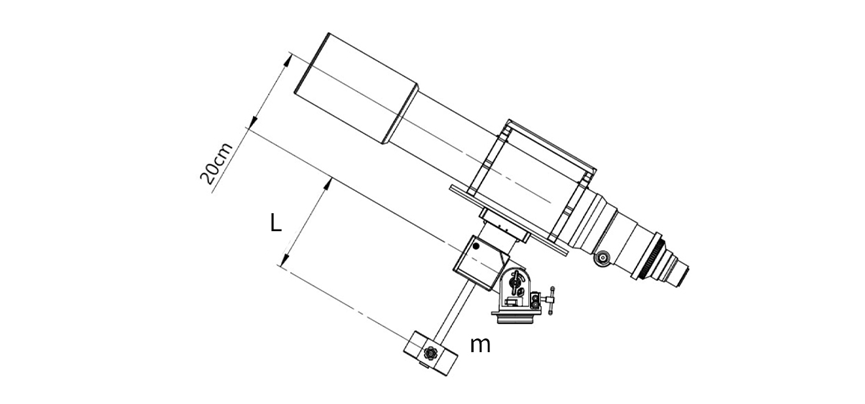
The payload capacity of the AM7 equatorial mount is derived from simulation calculations as shown in the figure above:
1. Maximum payload without counterweight: 20 kg (corresponding to a maximum output torque of 40 N·m).
2. It is recommended to use a counterweight ≤ 10 kg. When using a 10 kg counterweight, please install it with a moment arm between 20 cm and 30 cm.
For other counterweight masses, the allowable installation position can be calculated as follows:
Assuming the counterweight mass is m kg, the allowable moment arm length L must satisfy:
20 N·m ≤ m * g * L ≤ 30 N·m
Where g = 9.8 m/s² (can be approximated as 10 m/s² for calculation).
For example, with a 5 kg counterweight: L ranges from 20 N·m / (5 × 10 m/s²) = 0.4 m to 30 N·m / (5 × 10 m/s²) = 0.6 m.