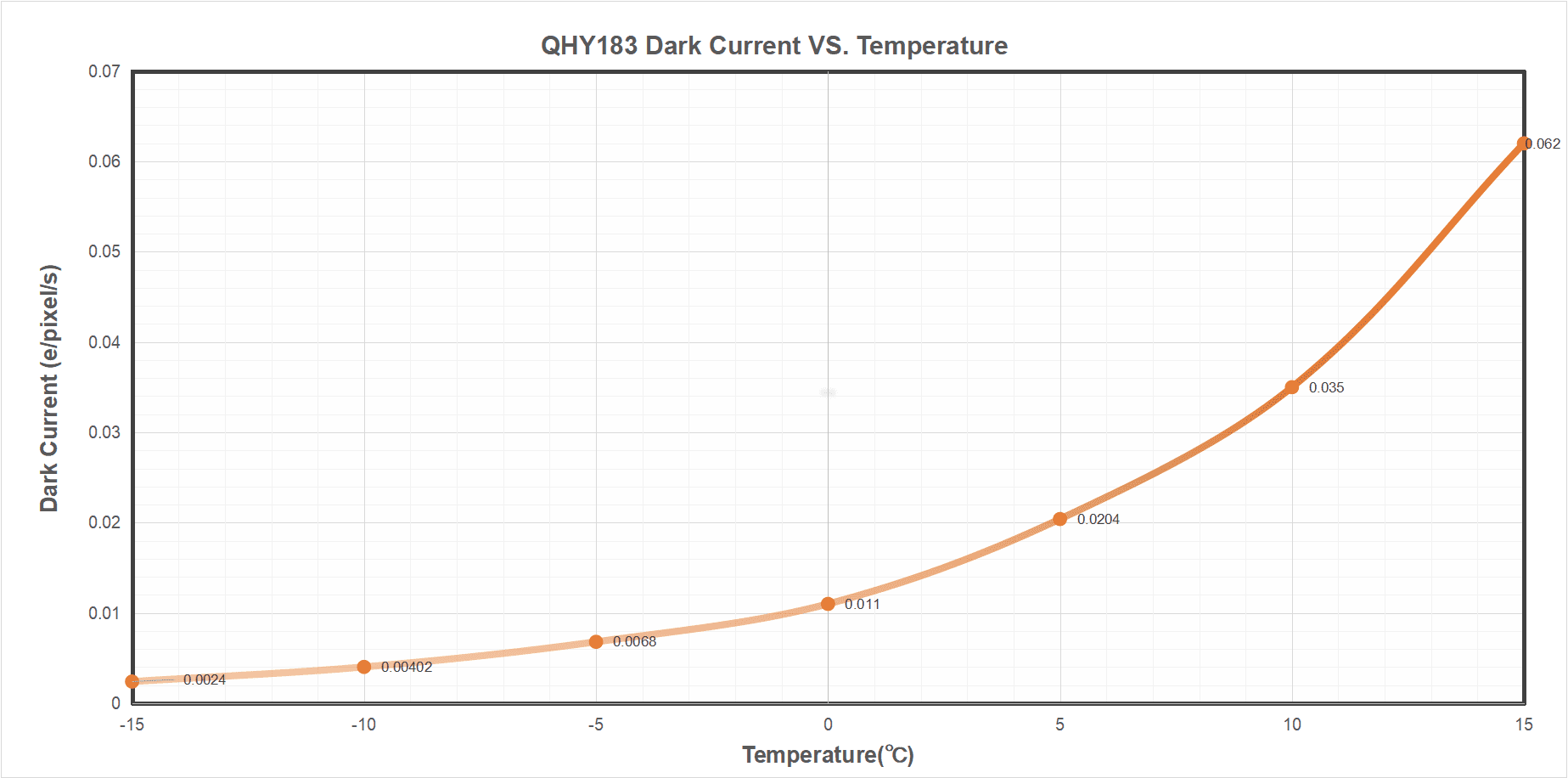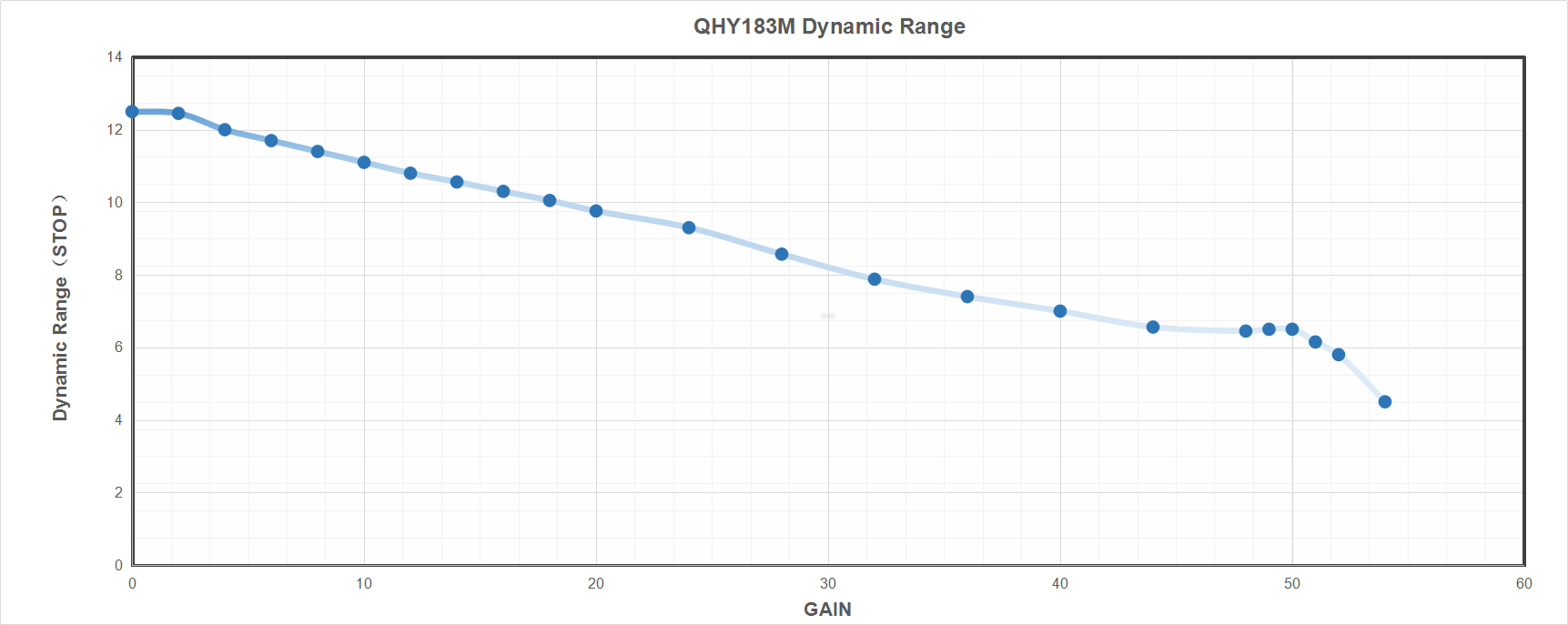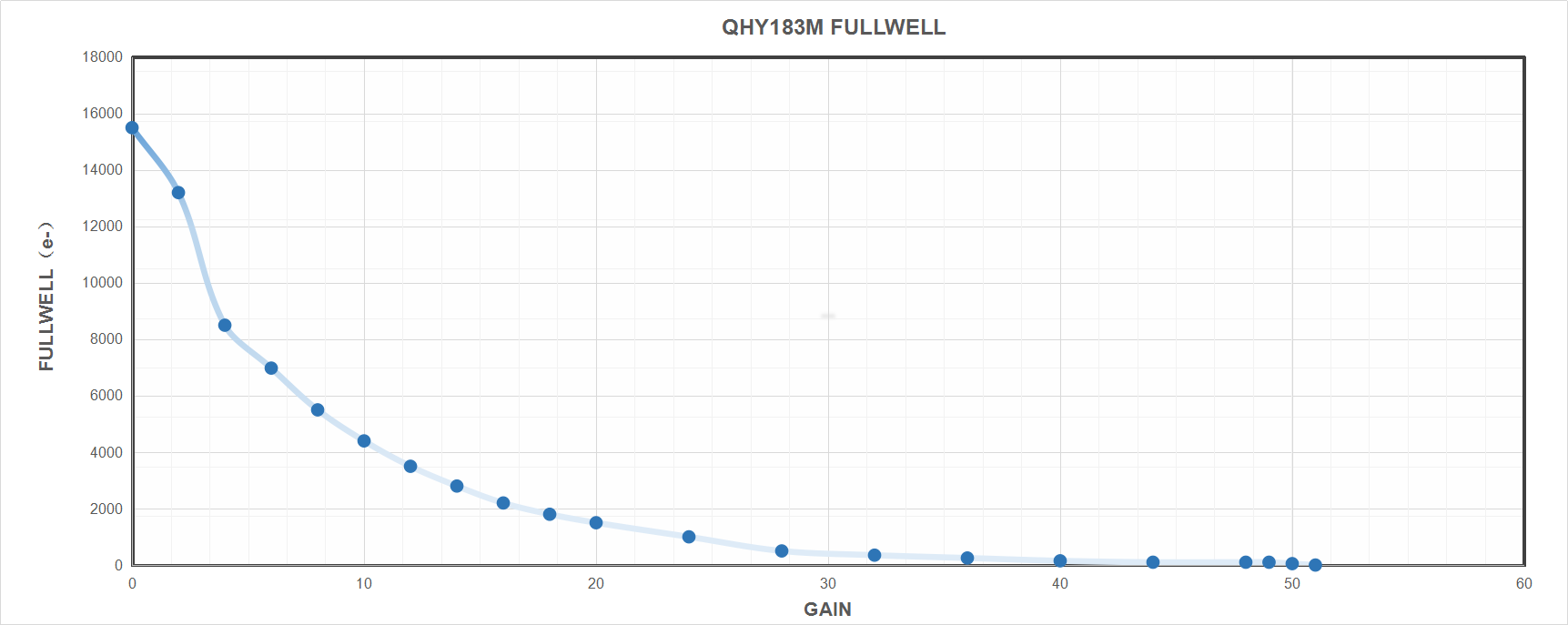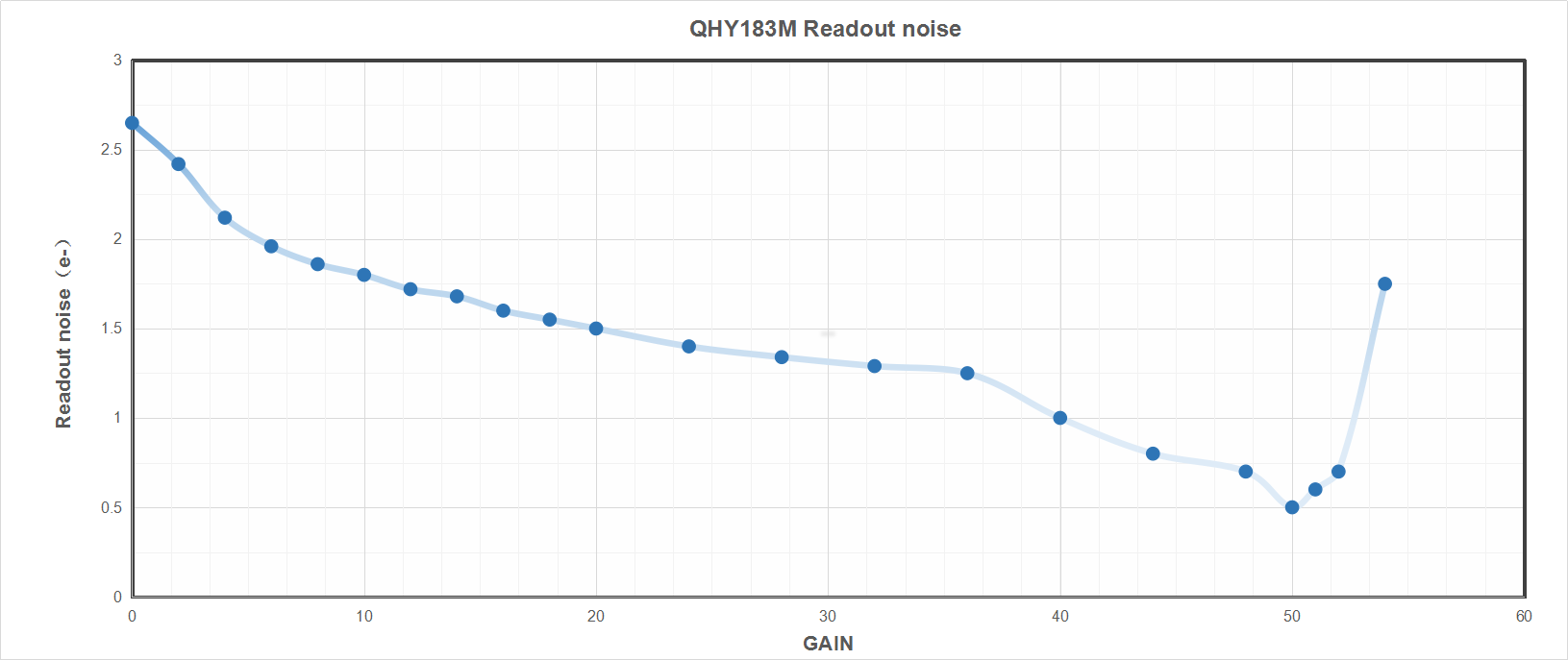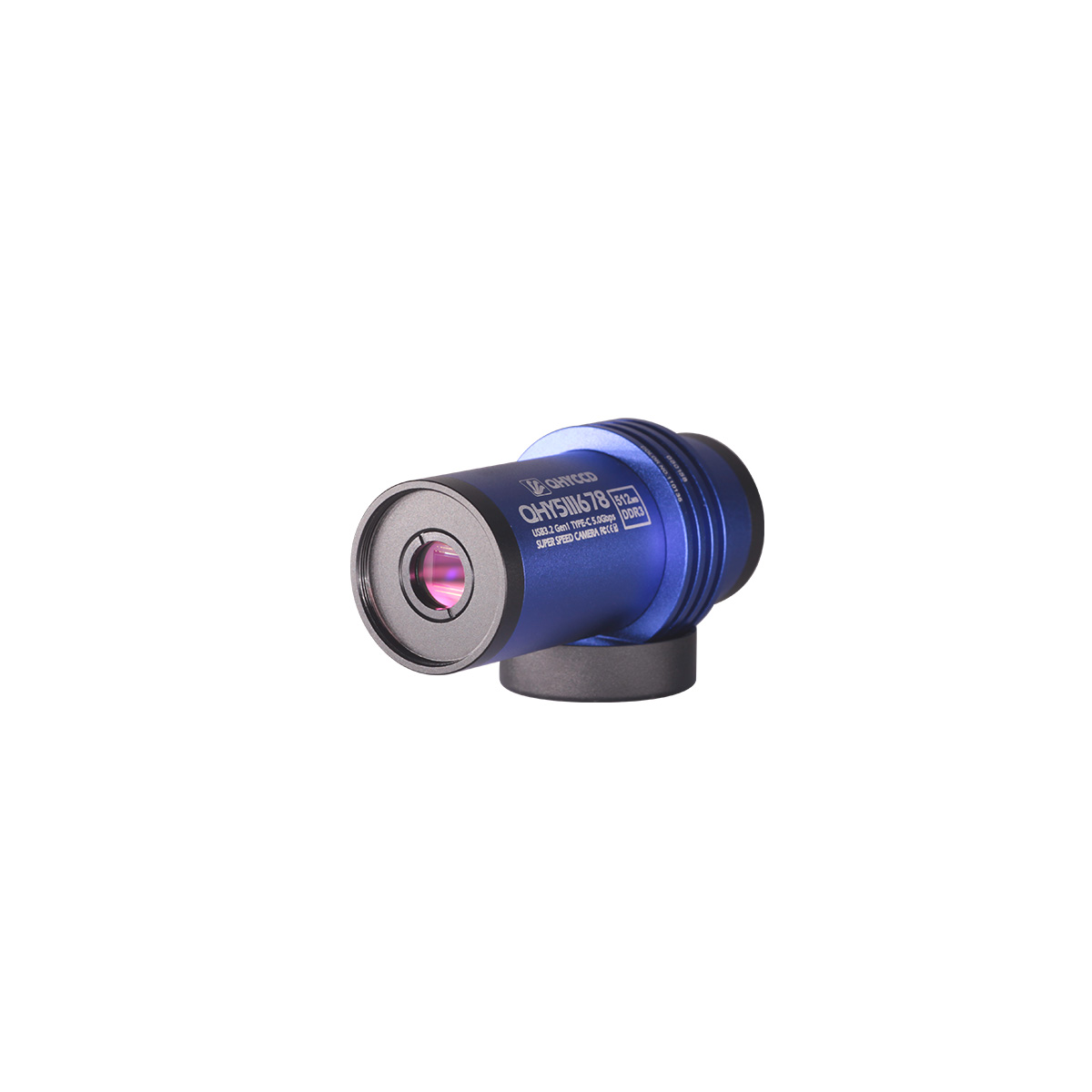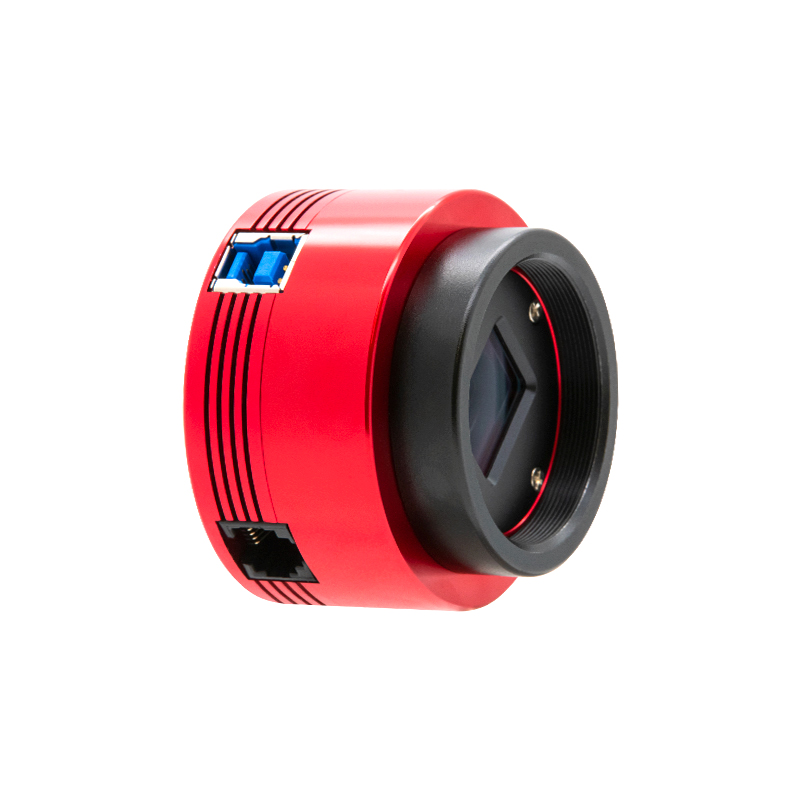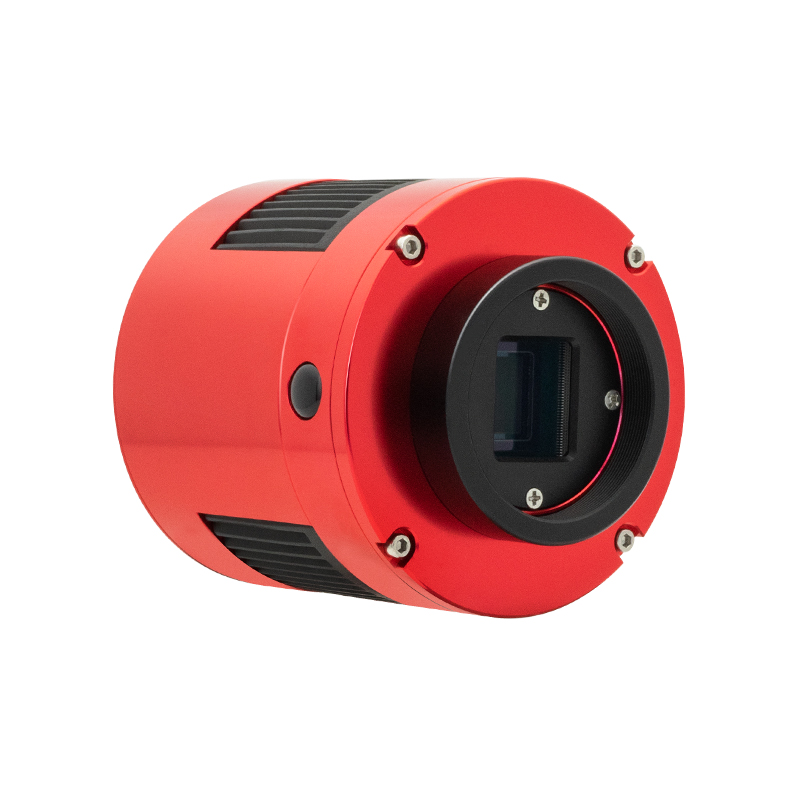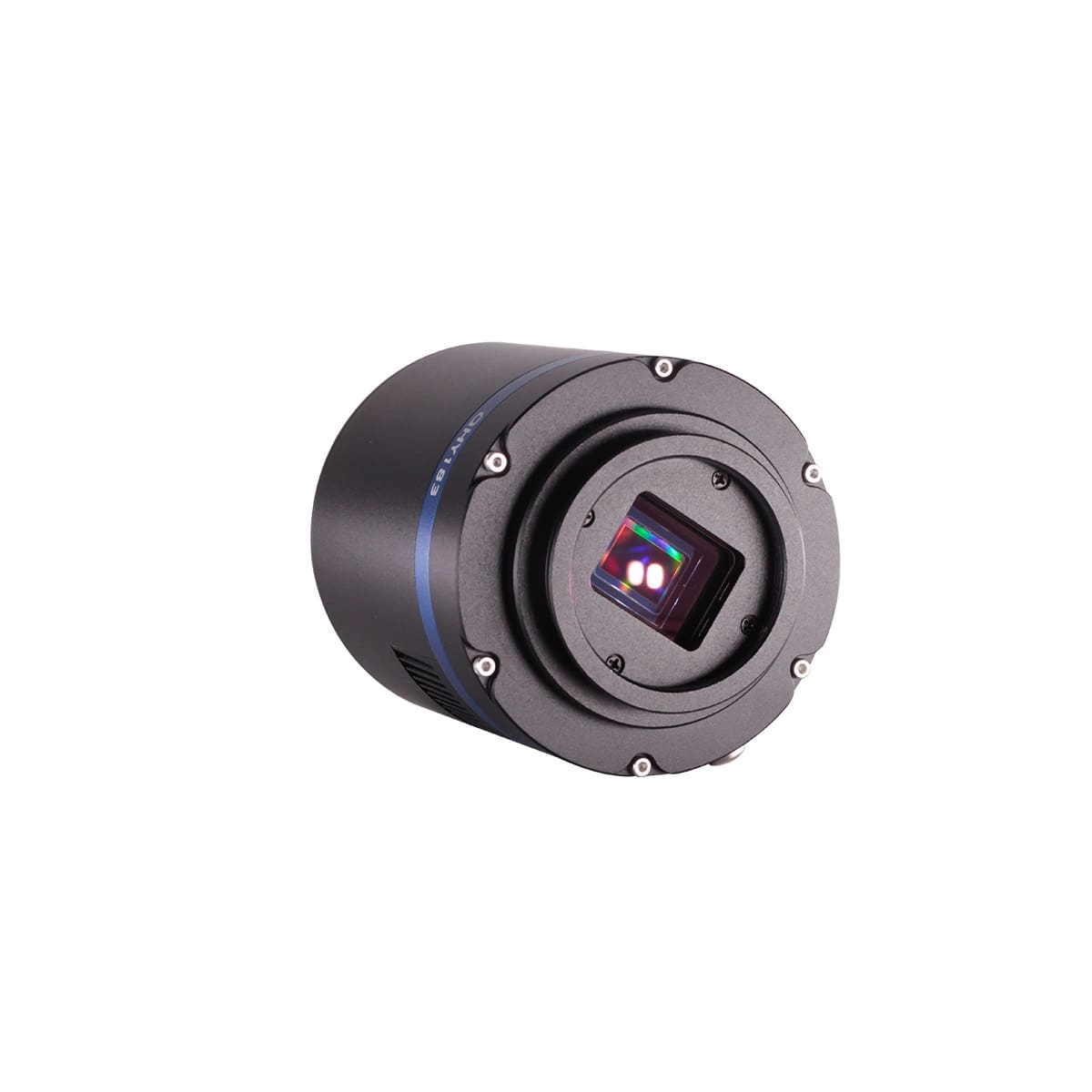
The QHY183 is a thoughtfully designed astrophotography camera tailored for beginners, offering impressive sensitivity and low noise performance. Featuring a back-illuminated sensor, this model delivers enhanced light sensitivity and a slightly higher resolution, making it ideal for both planetary and deep-sky imaging – especially when paired with the QHYCFW3 filter wheel. Its sensor benefits from two-stage thermoelectric cooling, capable of reducing temperatures by approximately -40°C below ambient, which significantly lowers dark current noise during long exposures.
To further improve image quality, the QHY183 is equipped with QHY’s Anti-Amp Glow technology, which dramatically minimizes the amplifier glow often found in CMOS sensors. This results in cleaner frames and more accurate dark frame calibration.
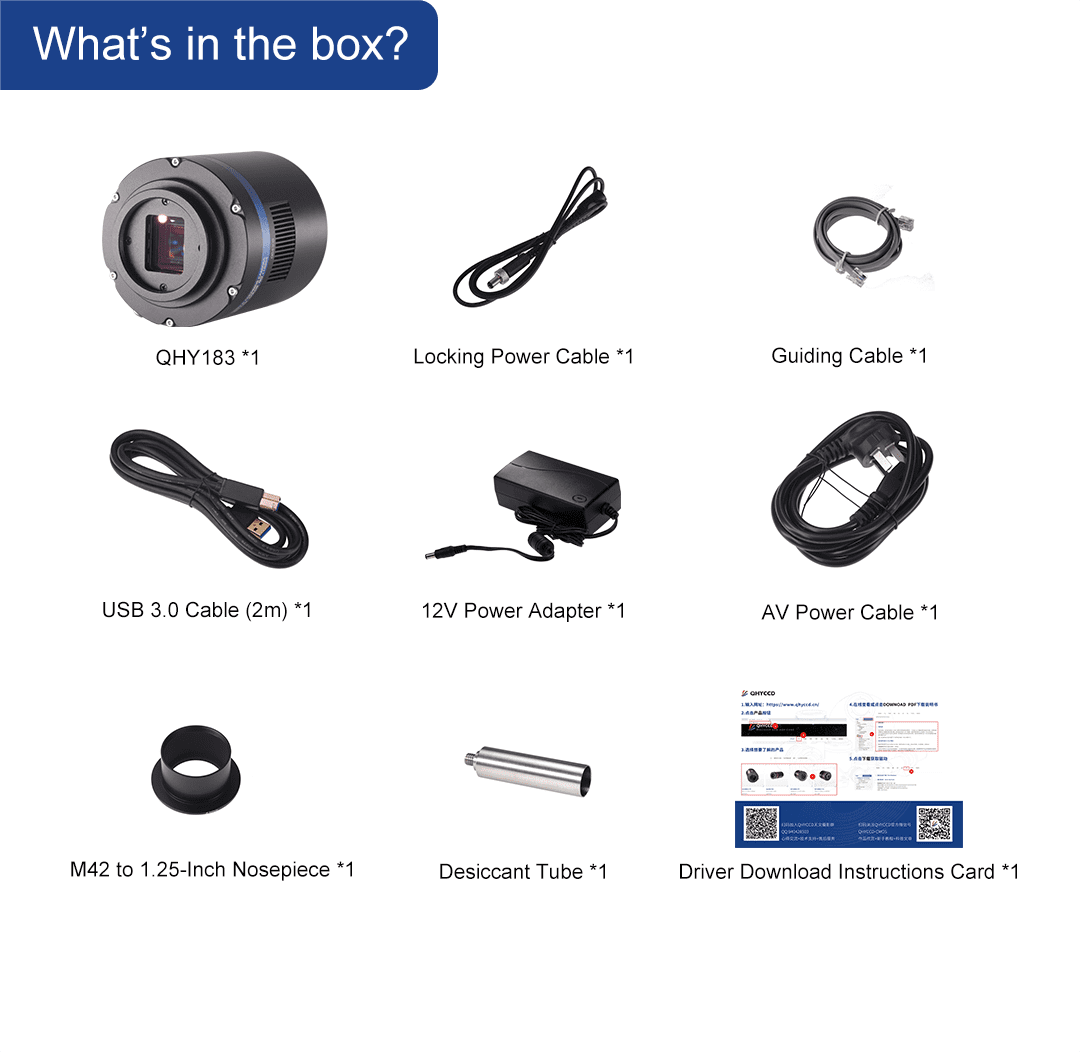
As part of the QHY COLDMOS lineup, the QHY183 integrates anti-dew and anti-frost protection – a result of nearly two decades of QHY's design expertise. Dew can form on the outside of the optical window due to atmospheric moisture, while frost can develop inside the chamber. To prevent such issues, the camera includes built-in window heaters near the light shield. Additionally, a desiccant tube is provided, which can be externally attached to dry out the internal airspace, keeping condensation at bay.
The QHY183 also supports autoguiding functionality. It features a standard ST-4 guide port (RJ11 connector) and includes a guiding cable in the package for plug-and-play operation with most mounts.
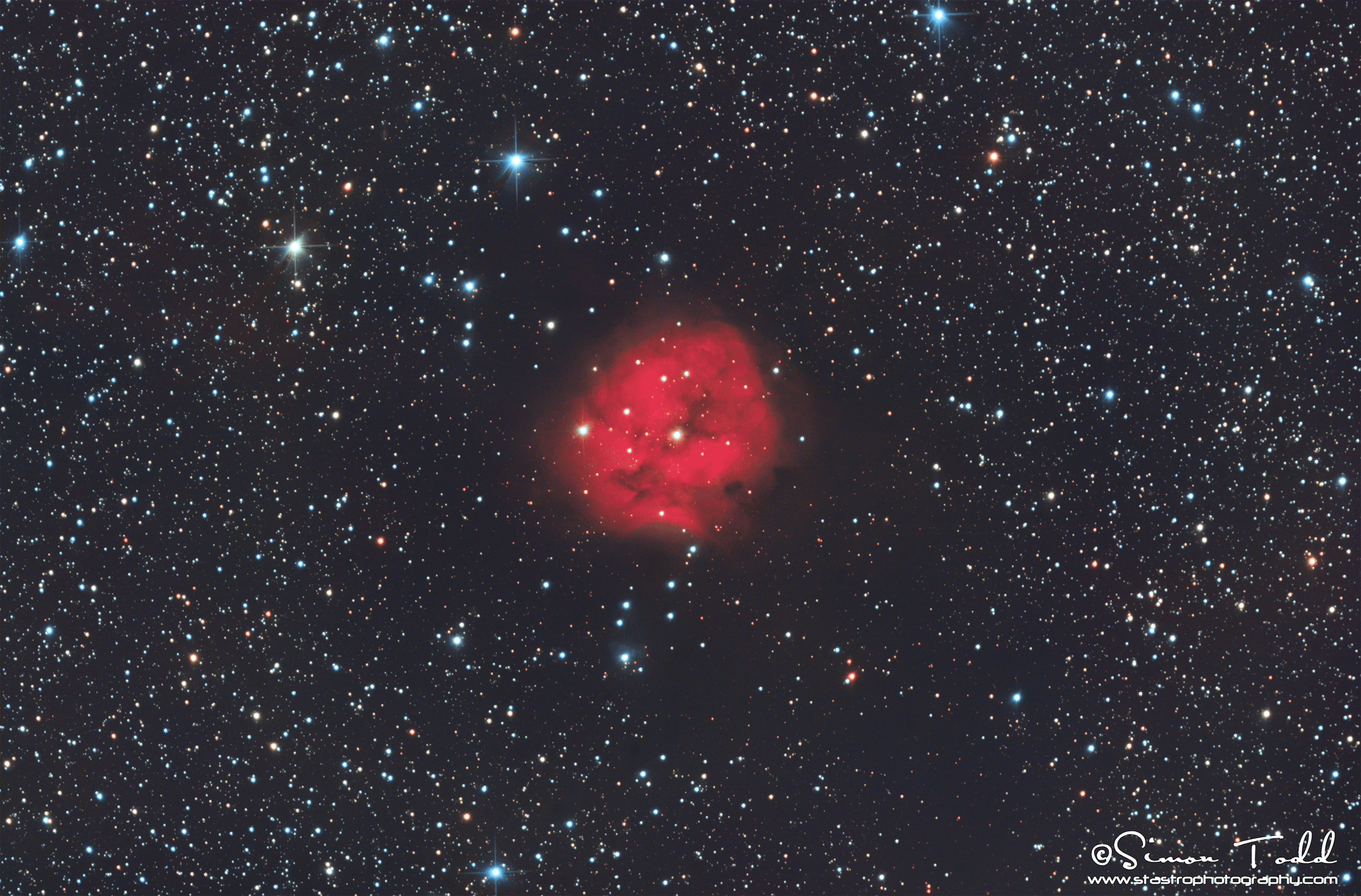
This camera's high-resolution sensor and small pixels make it a strong choice for pairing with short focal length telescopes or for capturing faint, compact deep-sky objects through larger optics. For those needing a wider field of view, the QHY163 might be a better fit, especially for capturing large nebulae or using longer focal length setups that can fully utilize its sensor area.
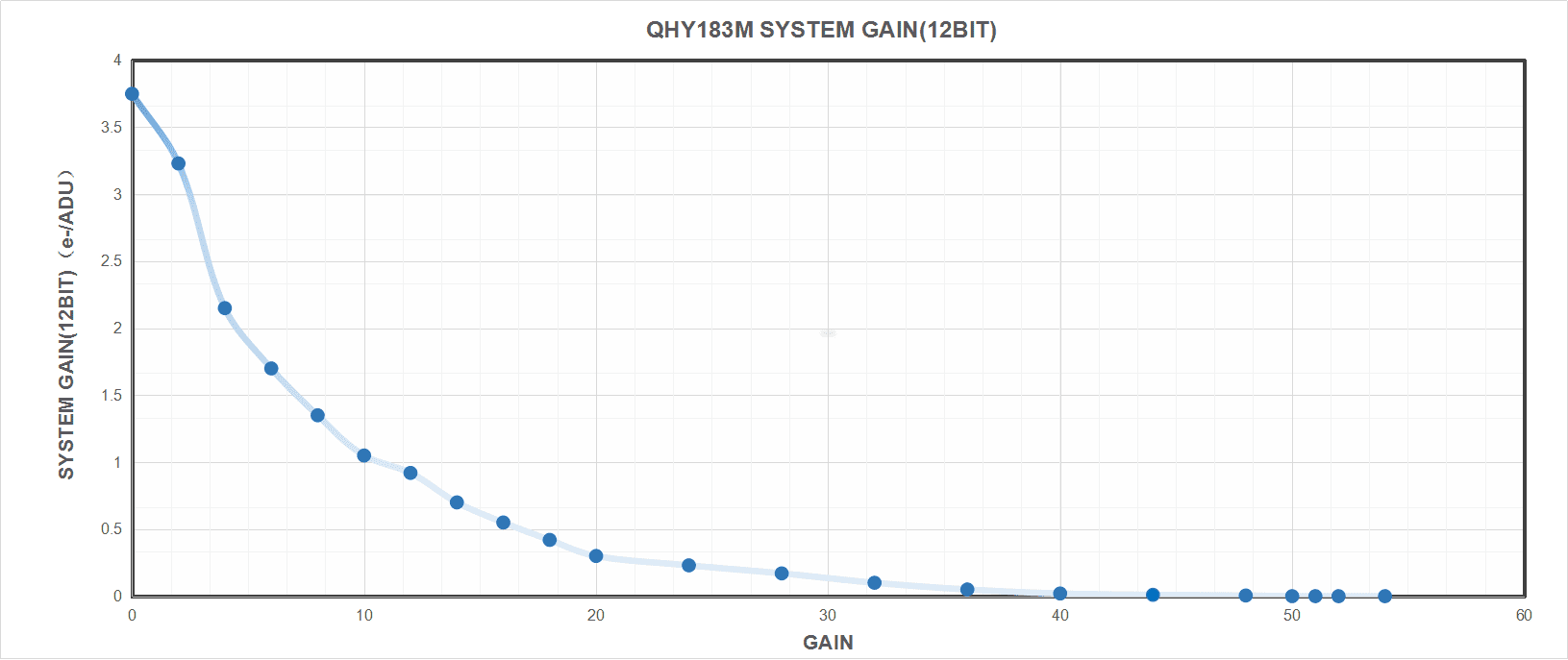
The QHY183M is a monochrome, one-inch format CMOS camera with a 20MP back-illuminated sensor boasting a peak quantum efficiency (QE) of 84%. Its 2.4μm pixels offer high detail even with moderate aperture telescopes. It supports a frame rate of 15 FPS at full resolution, and features a dual-stage TEC system for deep cooling down to -40°C to -45°C below ambient. The camera offers 12-bit and 16-bit ADC, ultra-low read noise down to 1e⁻, USB 3.0 connectivity, and supports exposure times from 50μs up to 3600 seconds.