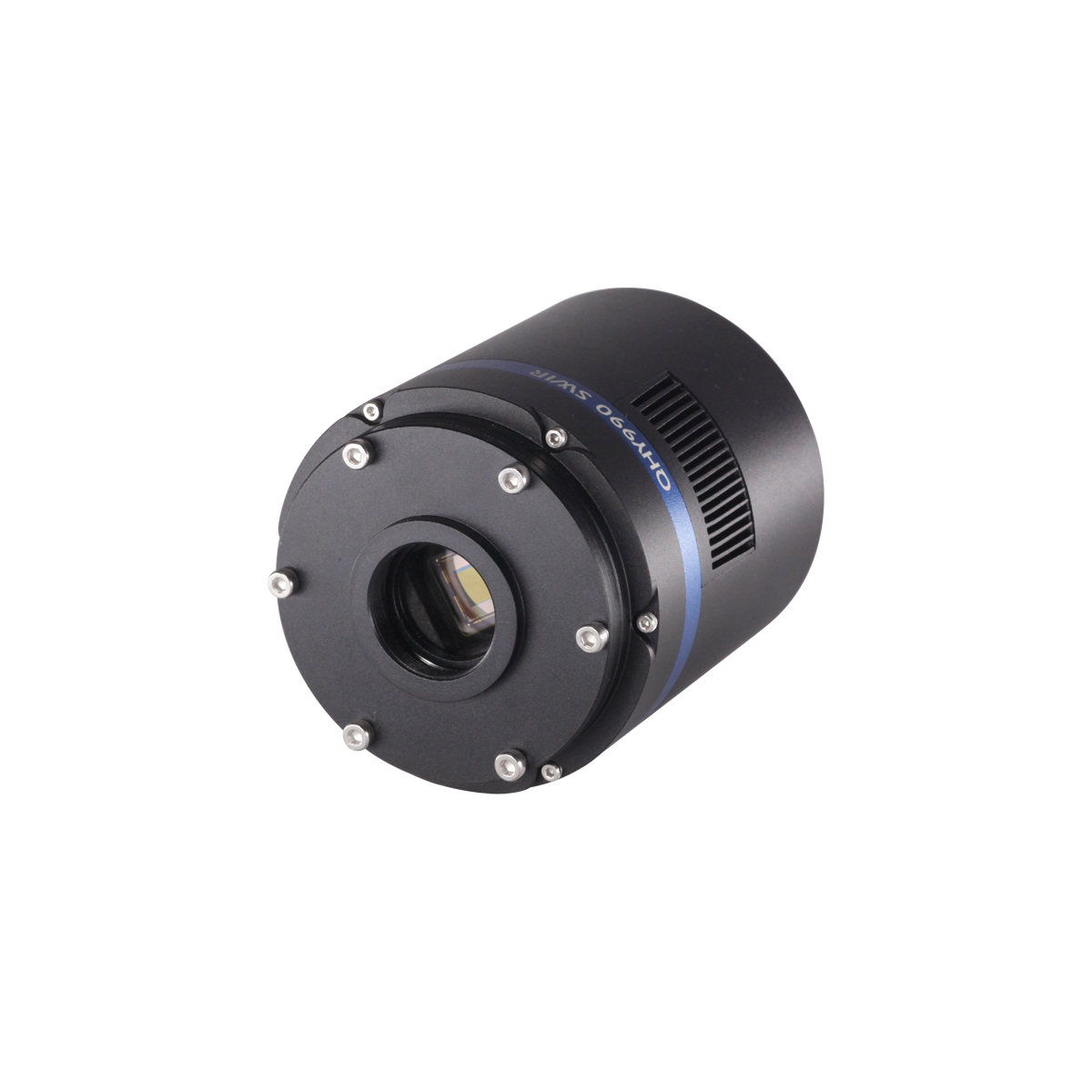
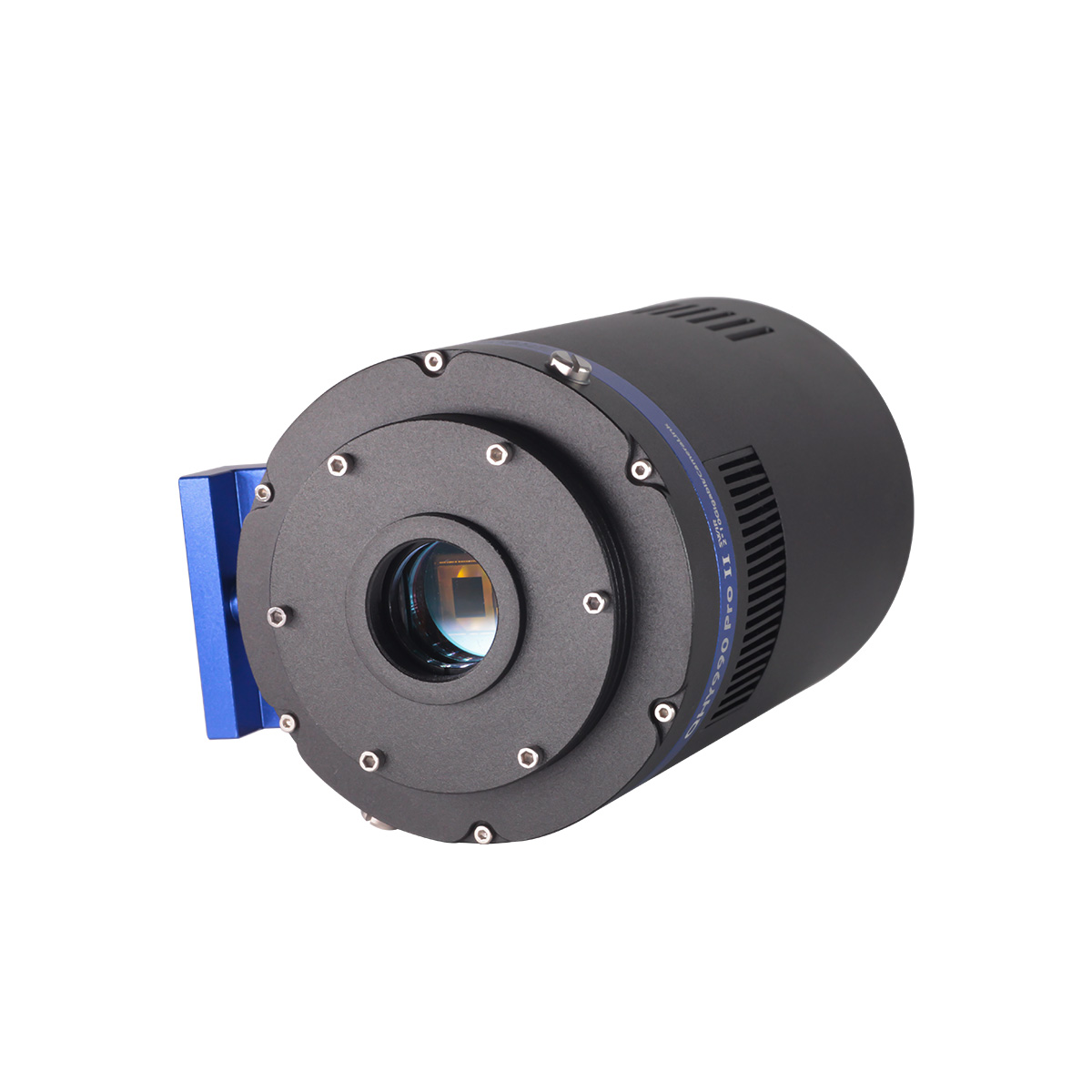
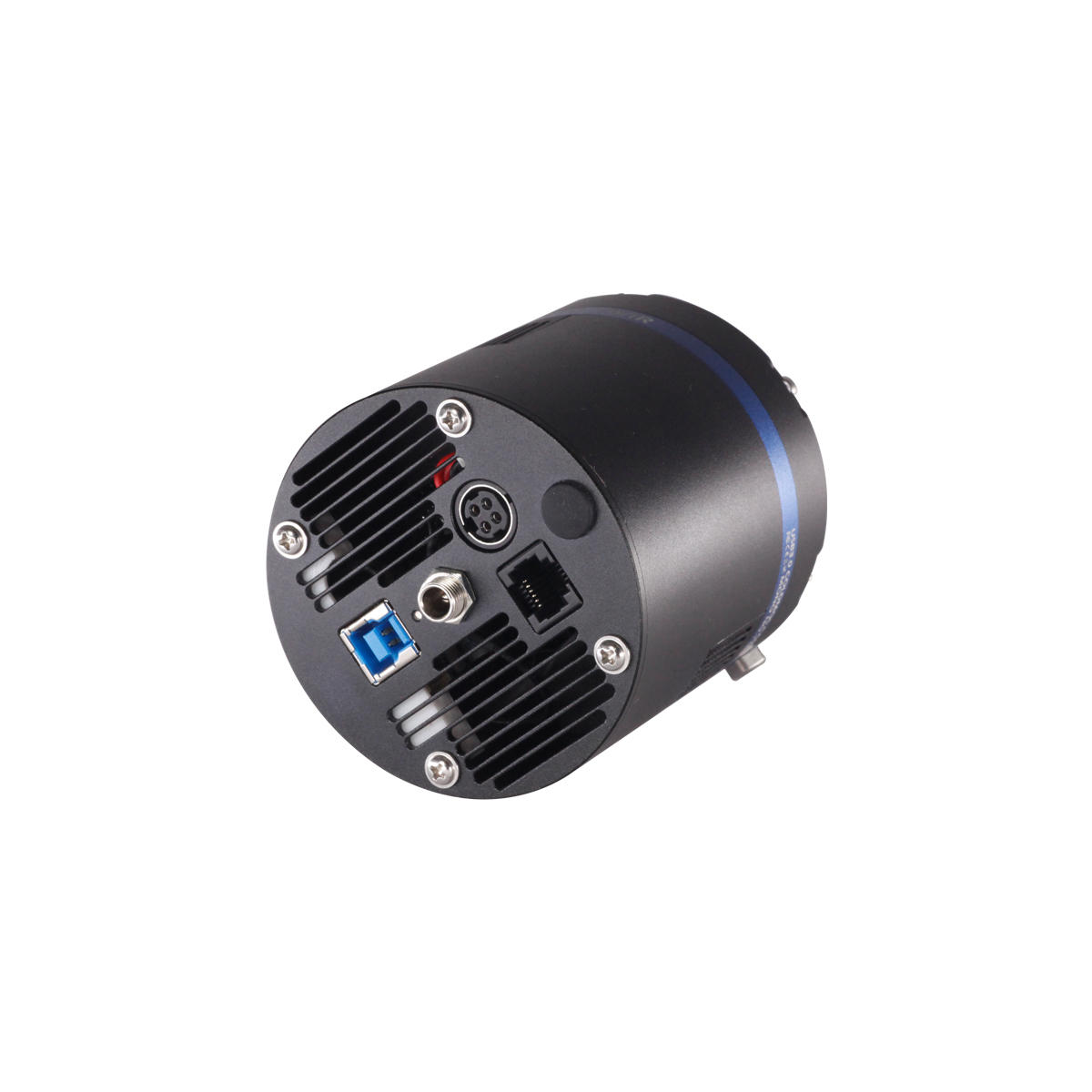
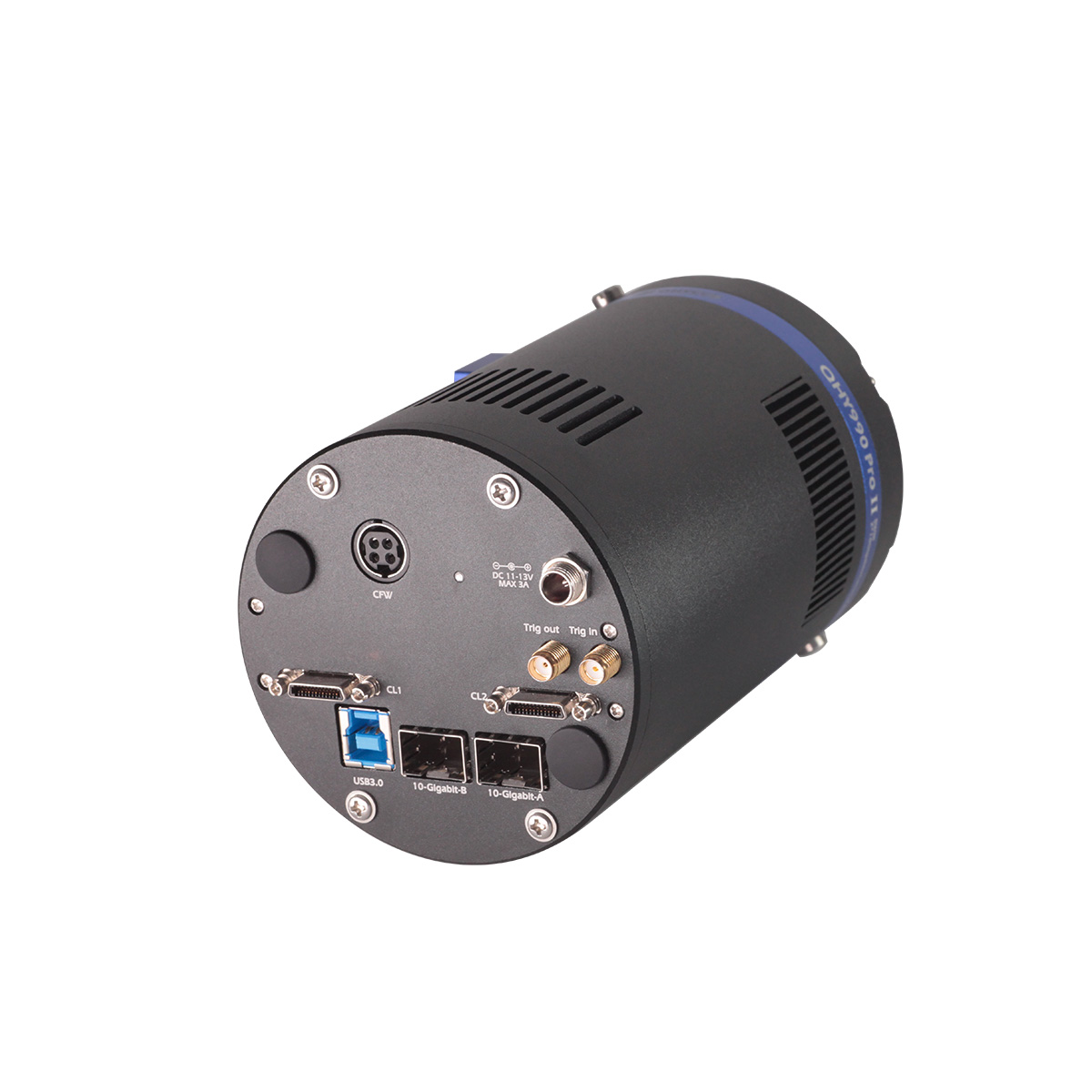
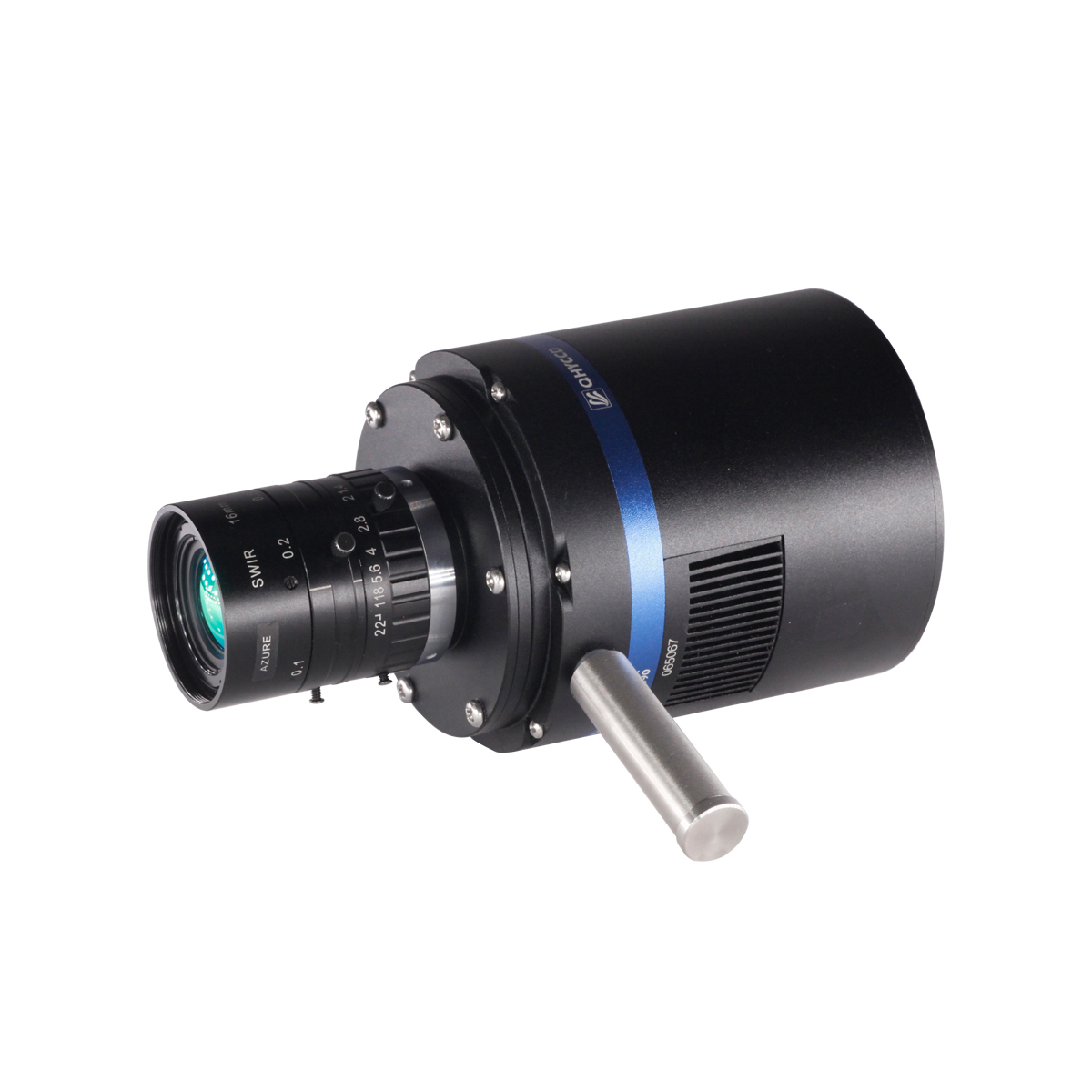
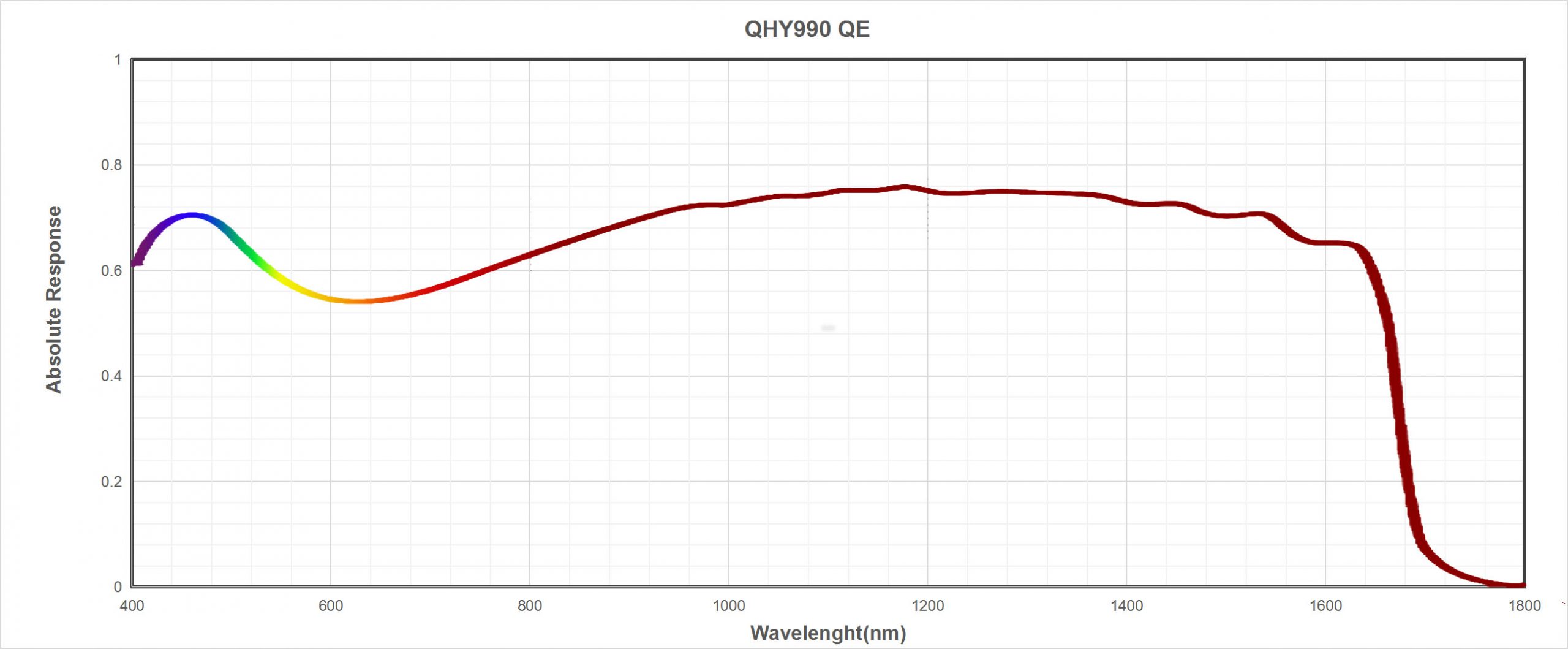
The QHY990, QHY991, and QHY992 models are advanced short-wavelength infrared (SWIR) cameras that utilize Sony’s InGaAs sensors: IMX990, IMX991, and IMX992. These scientific imaging devices offer a high quantum efficiency, reaching up to 77% at 1200 nm, and cover a broad spectral range from 0.4 μm to 1.7 μm with excellent sensitivity.
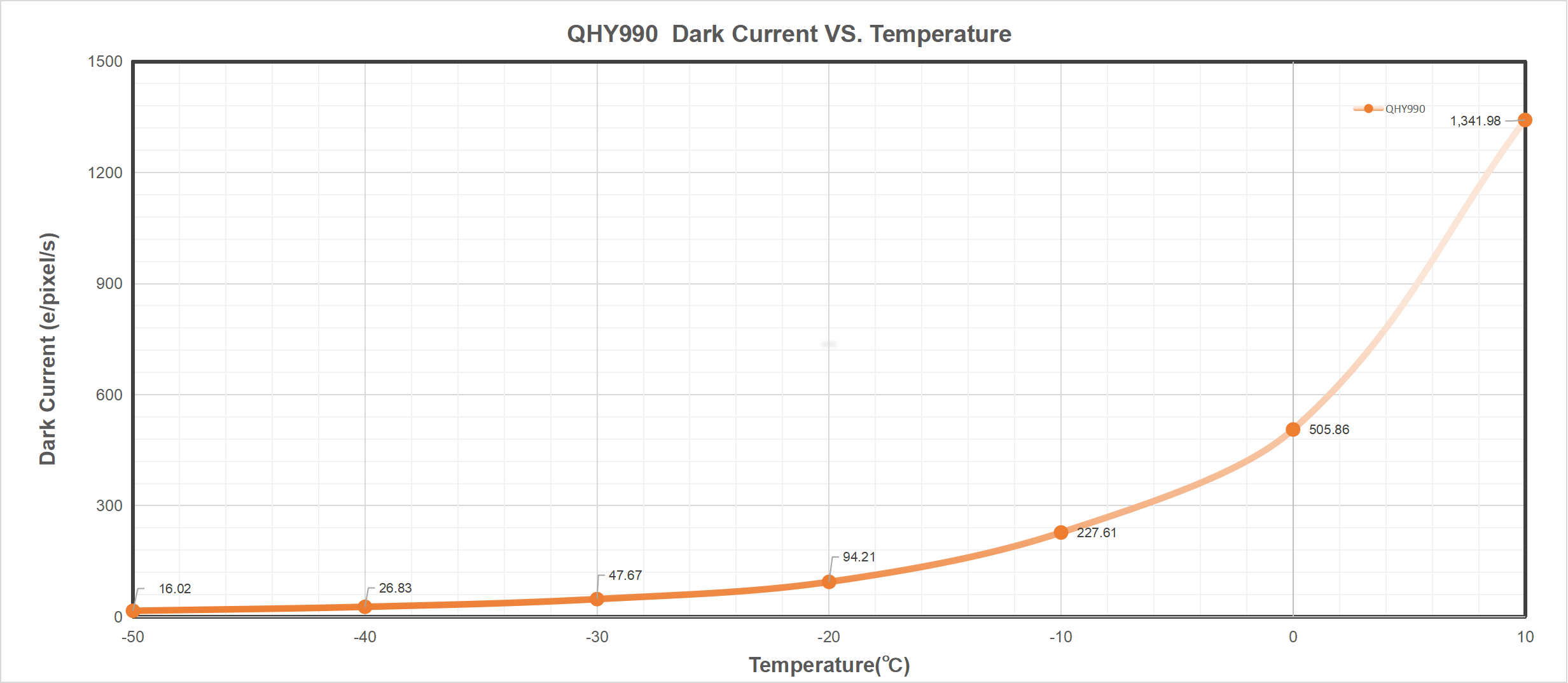
The QHY990 series provides both air and liquid cooling options. Air cooling allows a temperature drop of -35℃ below ambient, while liquid cooling achieves -45℃ using regular water, and even lower–between -60℃ and -80℃–with a chilled coolant. Since InGaAs sensors typically produce more dark current than silicon-based ones, effective cooling systems are essential.
Applications include:
Infrared astronomy and photometry
Daylight star detection
Optical communication and laser experiments
Scientific research and optical laboratory setups
The QHY990/QHY991/QHY992 series are cutting-edge SWIR imaging solutions featuring Sony’s IMX990, IMX991, and IMX992 InGaAs sensors. These cameras deliver exceptional quantum efficiency–up to 77% at 1200 nm–and operate over a wide spectral range of 0.4 μm to 1.7 μm. Utilizing Cu-Cu bonding technology, the sensors minimize fixed pattern noise (FPN) and maintain a low rate of defective pixels.
Cooling flexibility is a key strength of the QHY990 series. With air cooling, the cameras can drop temperatures to 35℃ below ambient. When using standard water for liquid cooling, they can reach -45℃, and with chilled fluid, they are capable of going as low as -60℃ to -80℃. This strong thermal management is vital due to the relatively high dark current characteristics of InGaAs detectors.
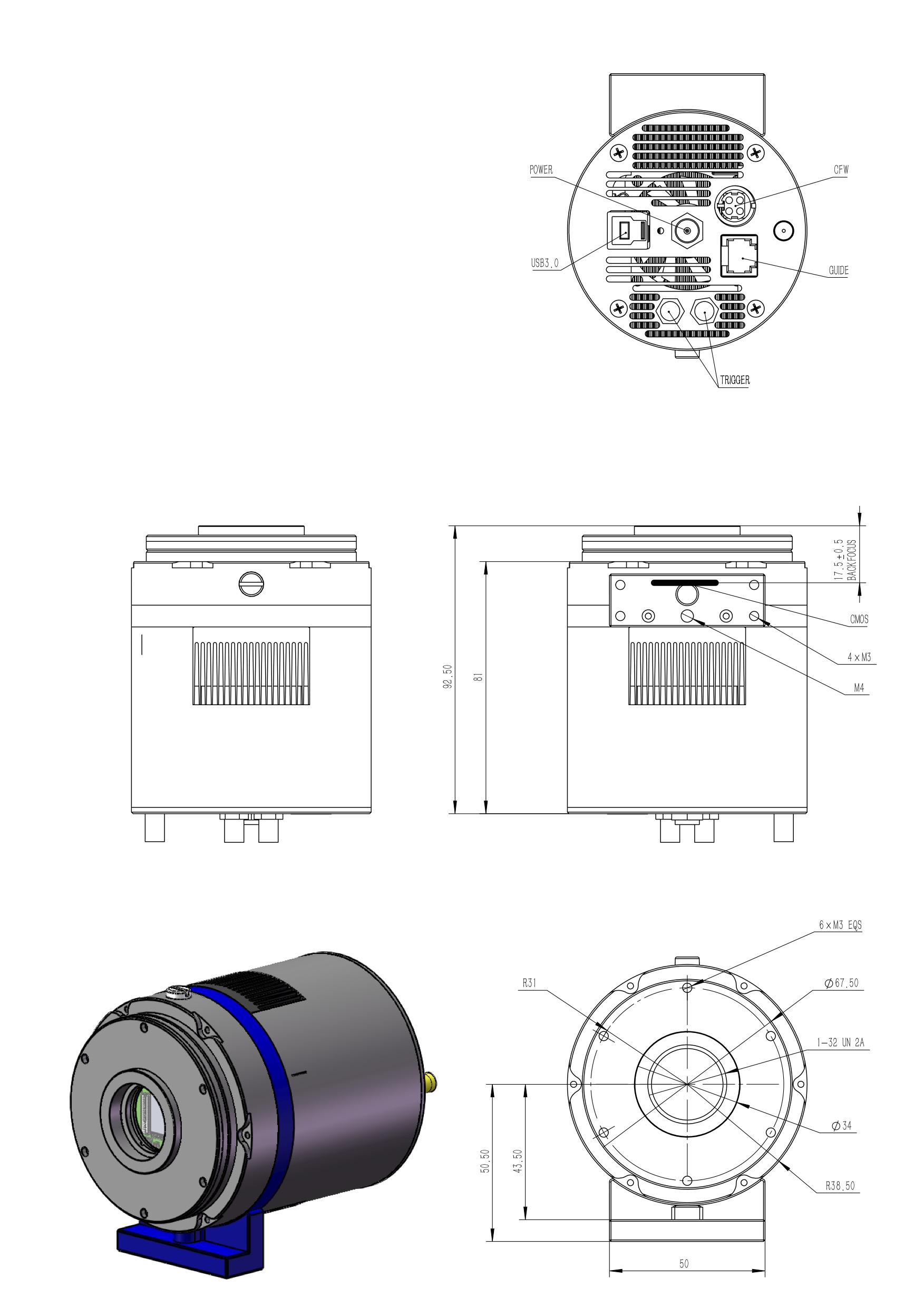
Additionally, QHY990 series cameras are equipped with 25mm filter holders–an industry-standard size widely used in laboratory settings. Installing SWIR filters is simple, and the cameras offer a 17.5mm back focal length (B.F.L.) using a standard C-mount interface.

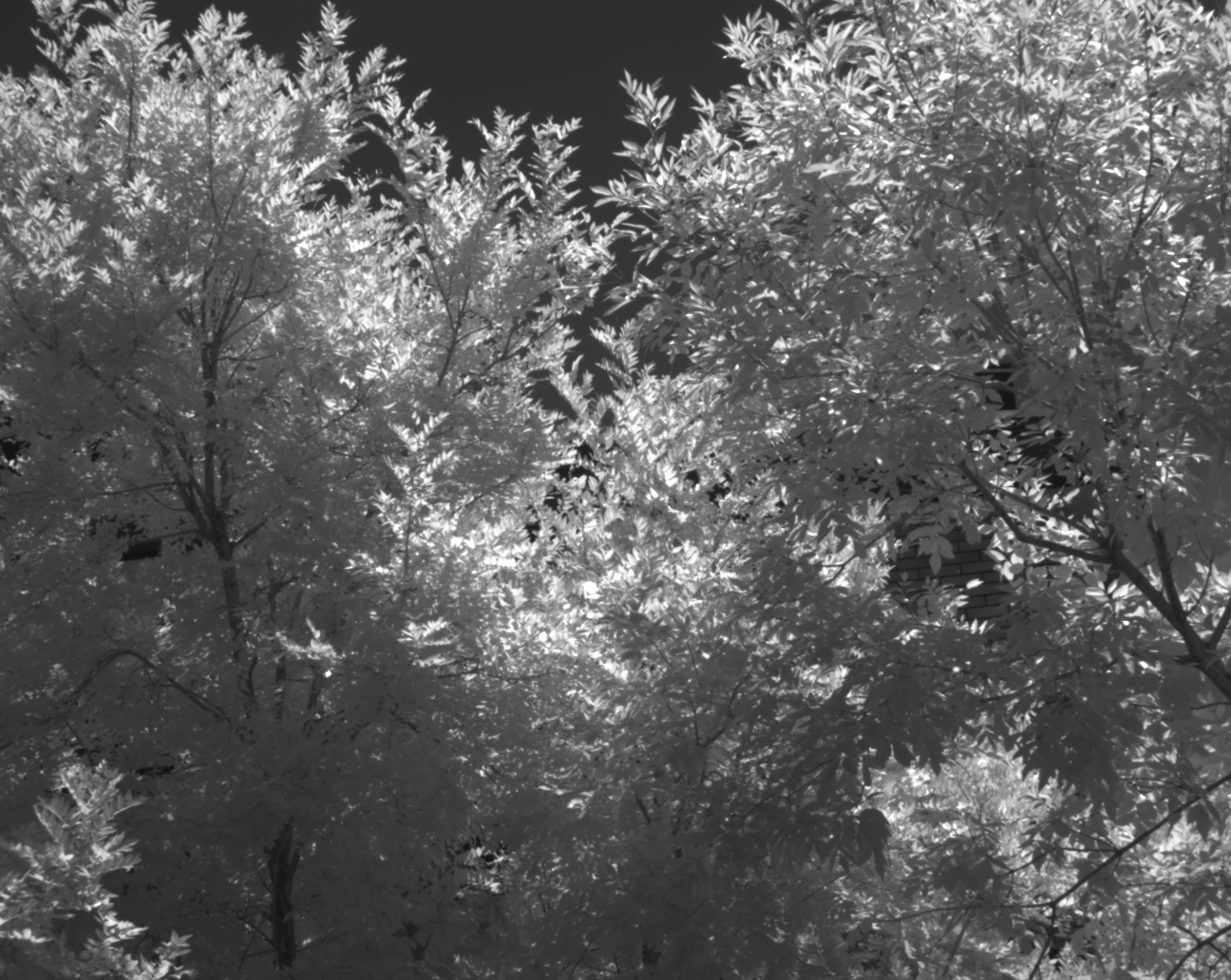
QHY990 Sample Image in daytime. With 16mmF1.4 SWIR lens @F2.8 , 1200-1800nm filter. Gain=0, exposure time = 1.3ms. Download 16bit FITs QHY990_DAYTIMEQHY990_DAYTIME
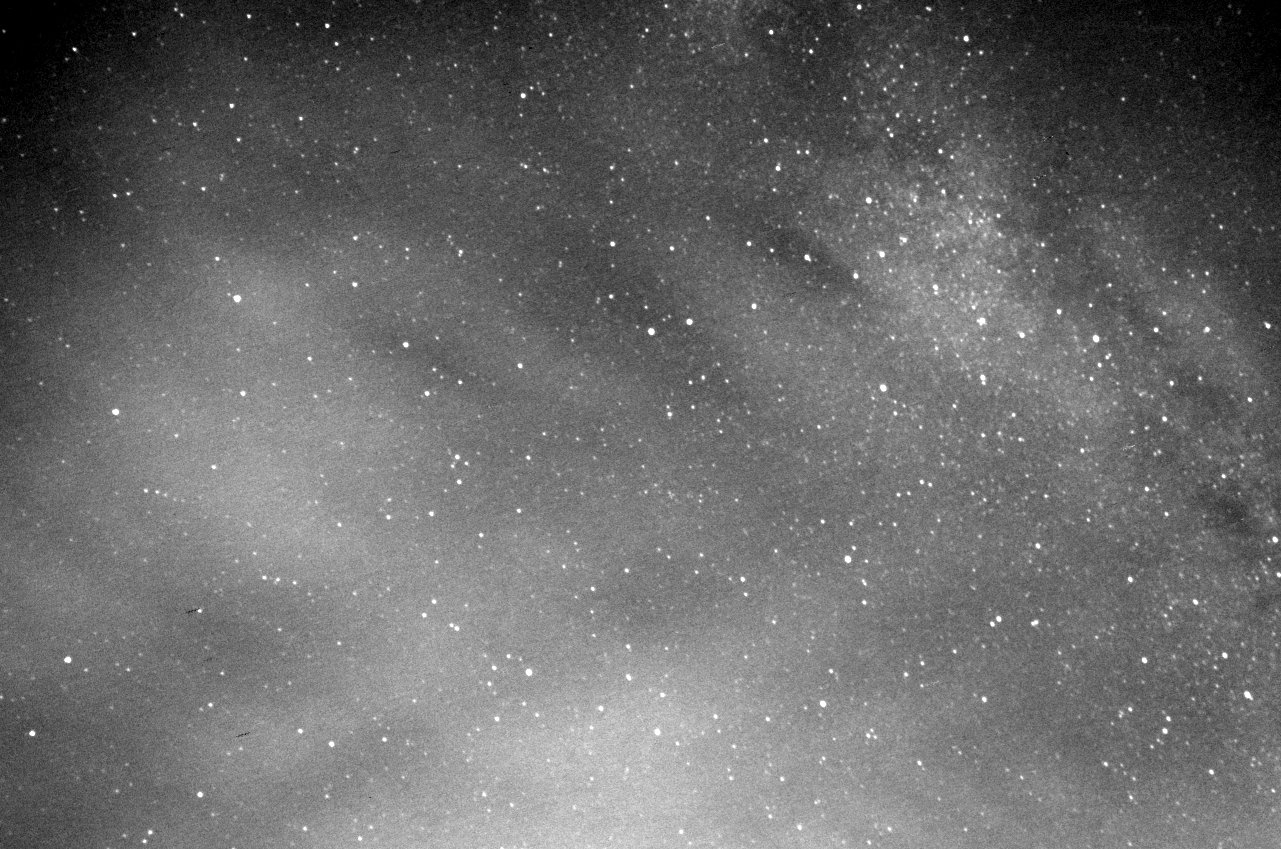
QHY990 Sample image under sky (at night). . With 16mmF1.4 SWIR lens @F1.4 , 1200-1800nm filter. Exposure = 2sec stack 29frames . -11C sensor temperature. Dark frame calibrated.
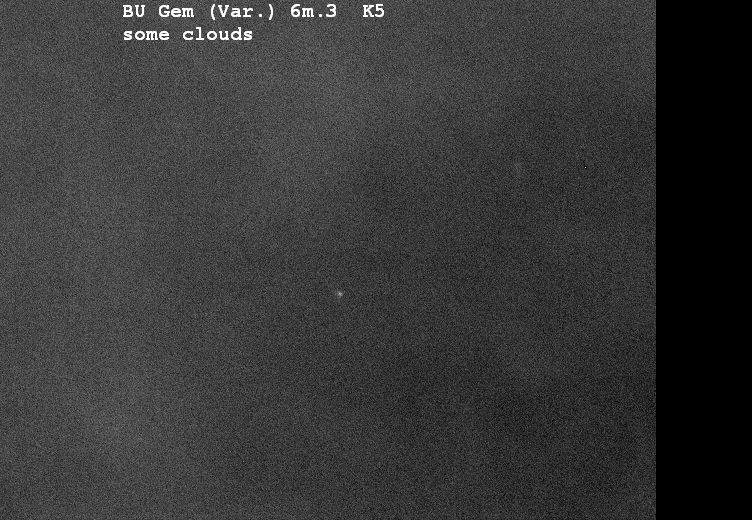
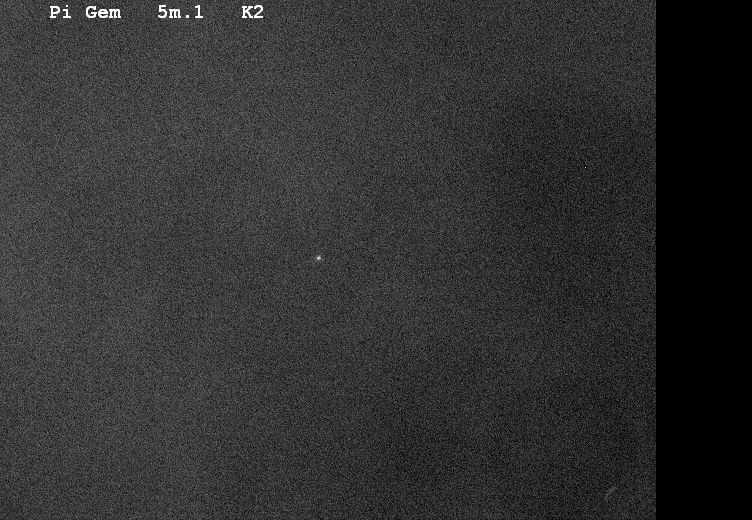
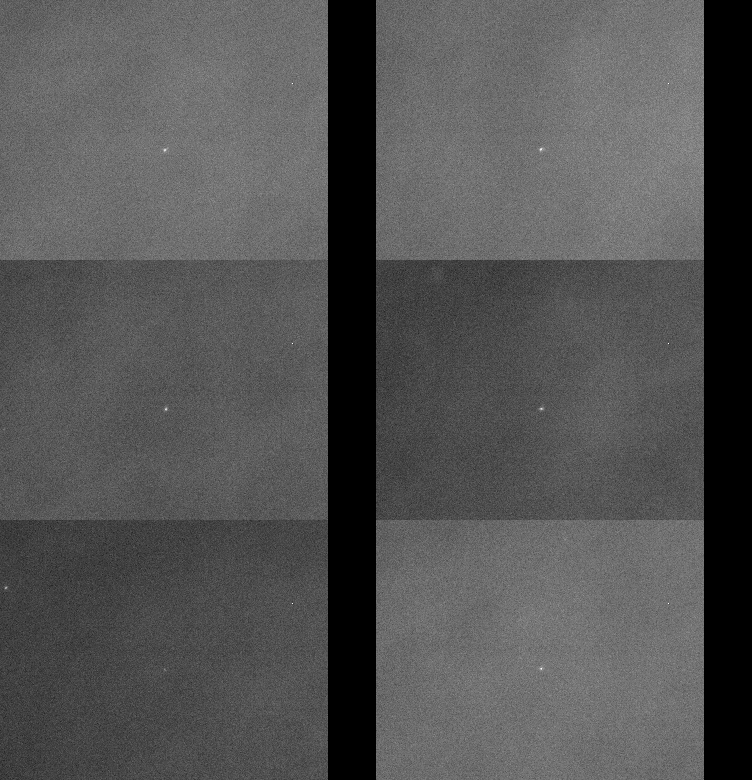
Here are the stars in the daytime with QHY991 camera by Martin Miller:
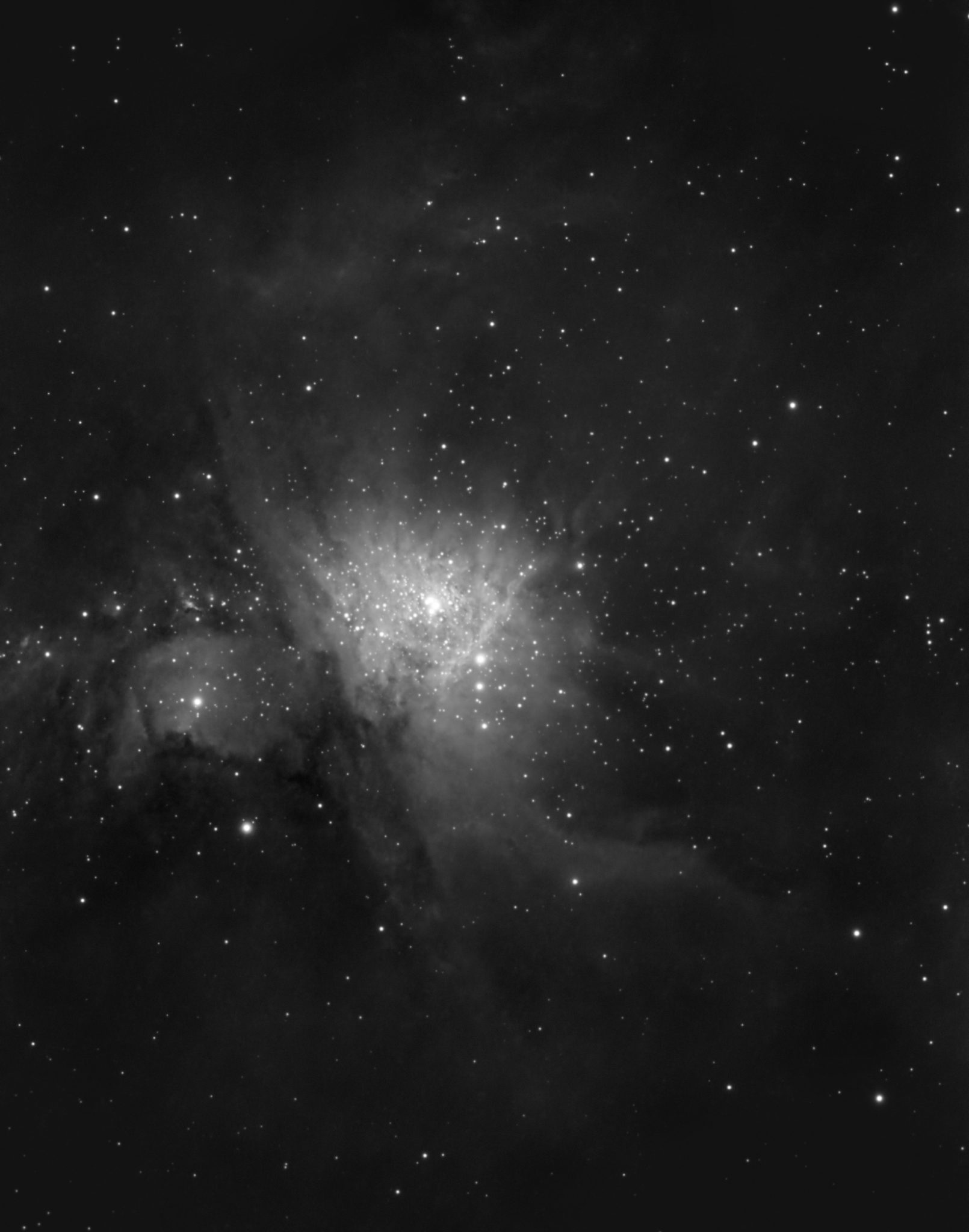
The Orion Nebula, First Light Captured with the QHY992 Camera and a 1200-1700 nm Bandpass Filter. The shortwave infrared image reveals details in the nebula’s center that differ significantly from those seen in visible light.
 Accessories