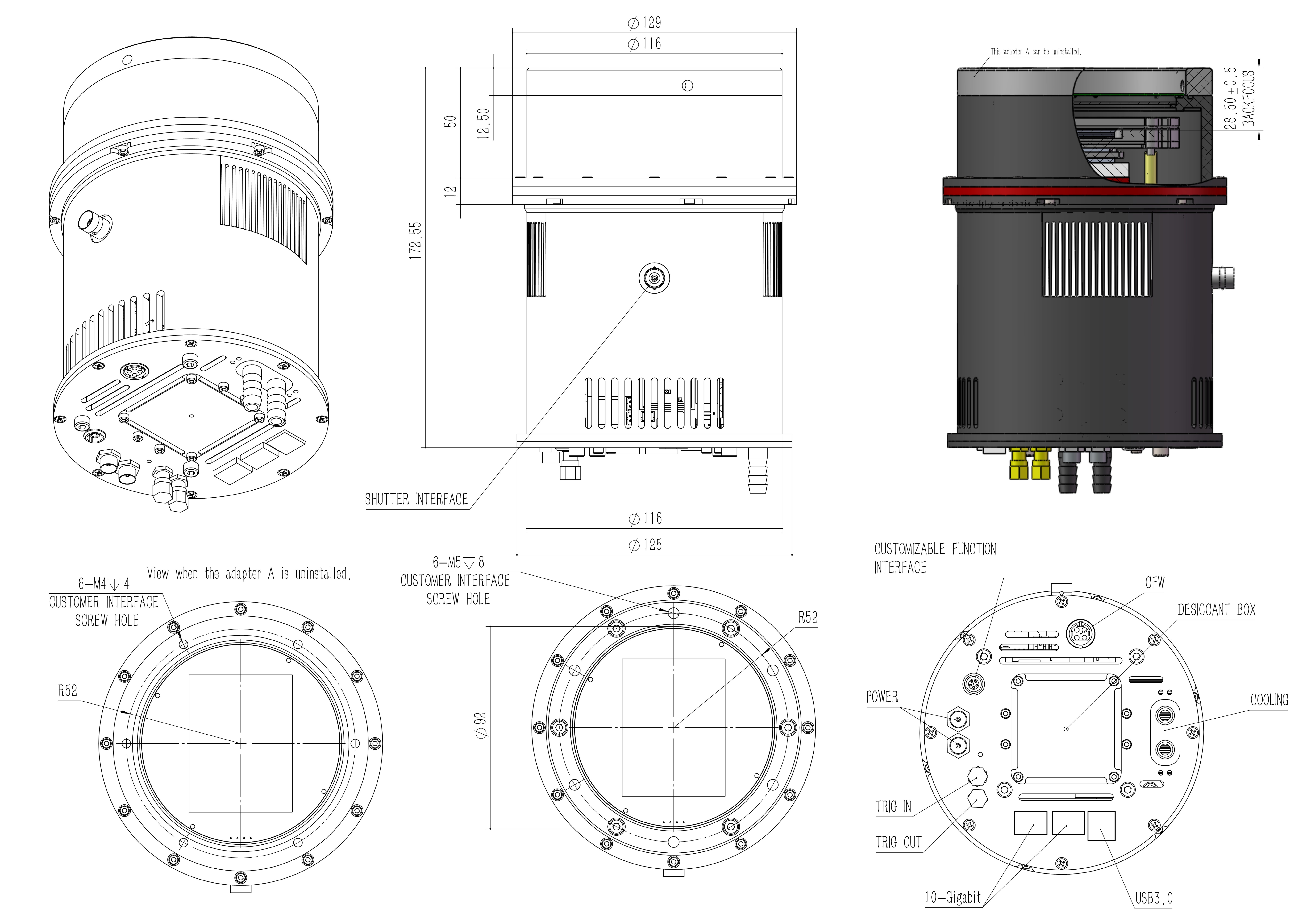
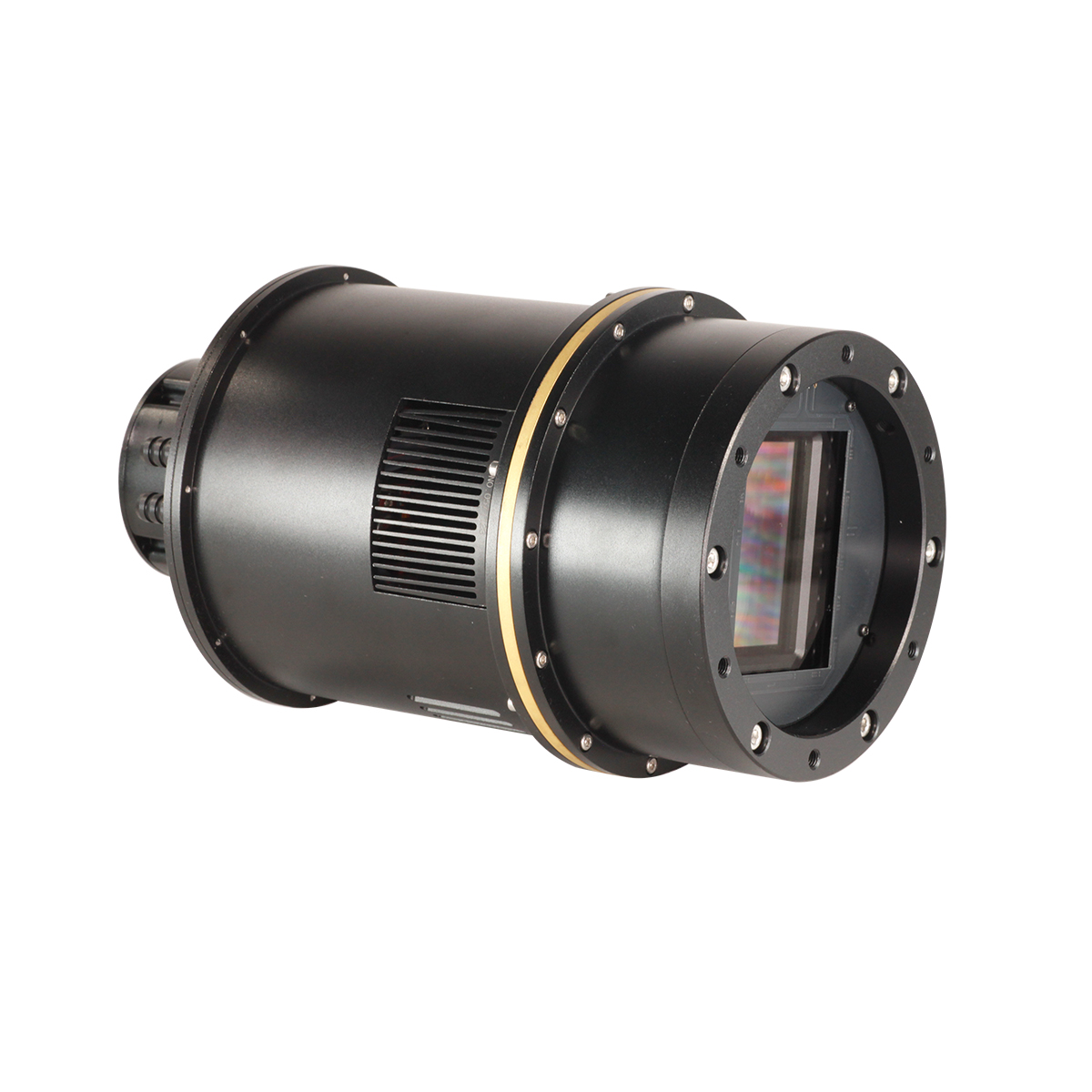
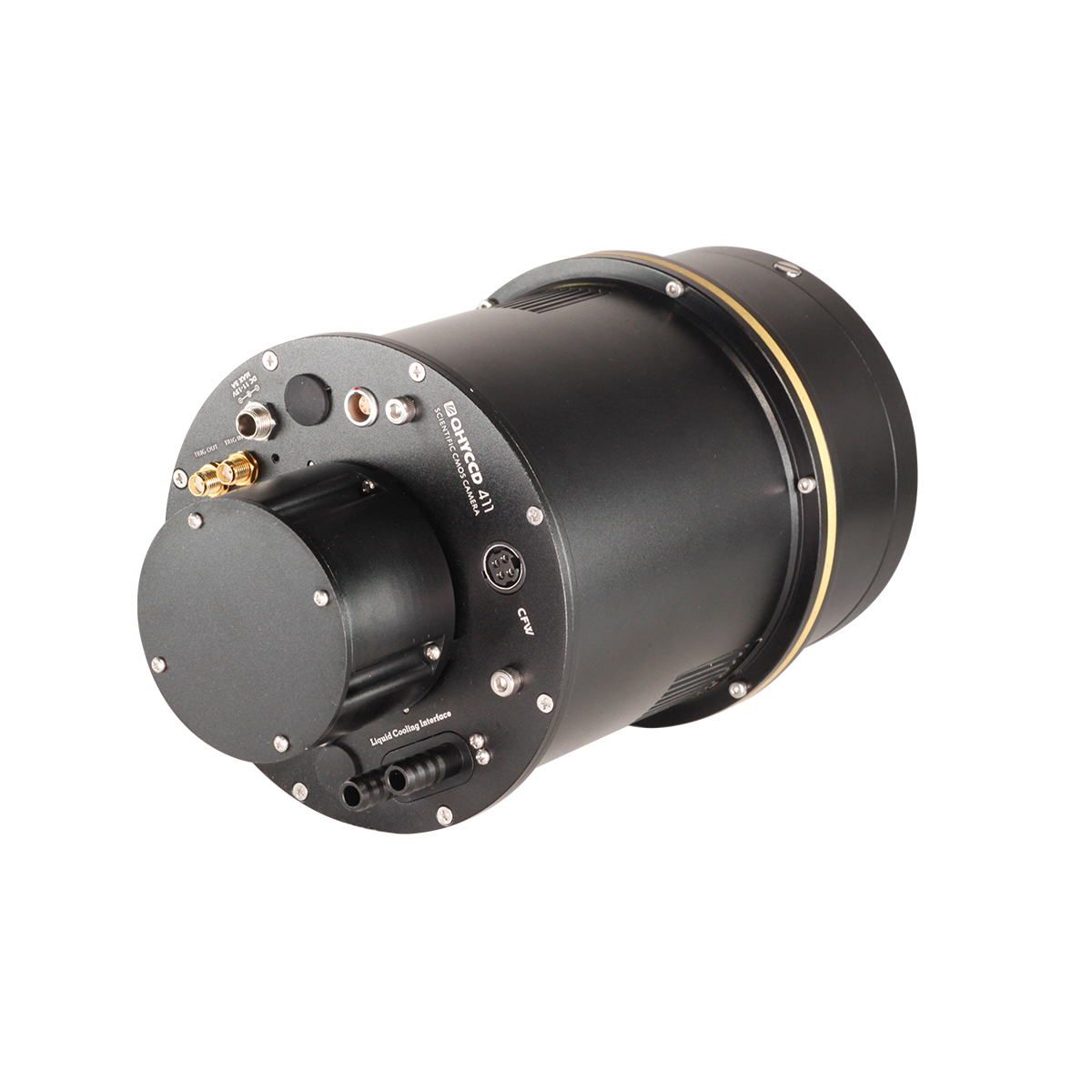
The QHY411 Pro is equipped with a 150MP sensor, measuring 54mm x 40mm, while the QHY461 Pro features a 100MP sensor with dimensions of 44mm x 33mm. Both sensors share similar characteristics–back-illuminated design, native 16-bit A/D conversion, and a medium-format layout. These cameras include dual 10GigaE ports to support high-speed data transmission. Available in both monochrome and color versions, these cameras are suitable for various applications like astronomical imaging, space object detection, and satellite tracking.
These models provide extensive flexibility by offering access to eight distinct readout modes, tailored for different scenarios. More readout modes may be introduced in future updates.
With its back-illuminated sensor structure, the QHY411 delivers a large full well capacity of 80ke-. Utilizing 2x2 binning, this capacity increases to 320ke-, resulting in an effective pixel size of 7.5μm x 7.5μm. Combined with the camera’s low read noise, this results in a high dynamic range advantage.
Update: The QHY411 now supports 3x3 on-chip binning. Refer to the “QHY411 3x3 Onchip Binning 12-bit (high frame rate) Mode Instructions” for further information.
The newly integrated Sony sensor features a native 16-bit A/D converter on the chip, providing a true 65536 levels of signal depth. Unlike 12-bit or 14-bit A/D systems, this 16-bit design enhances resolution and delivers less than 1e-/ADU system gain, resulting in minimal sampling noise and ultra-low read noise.
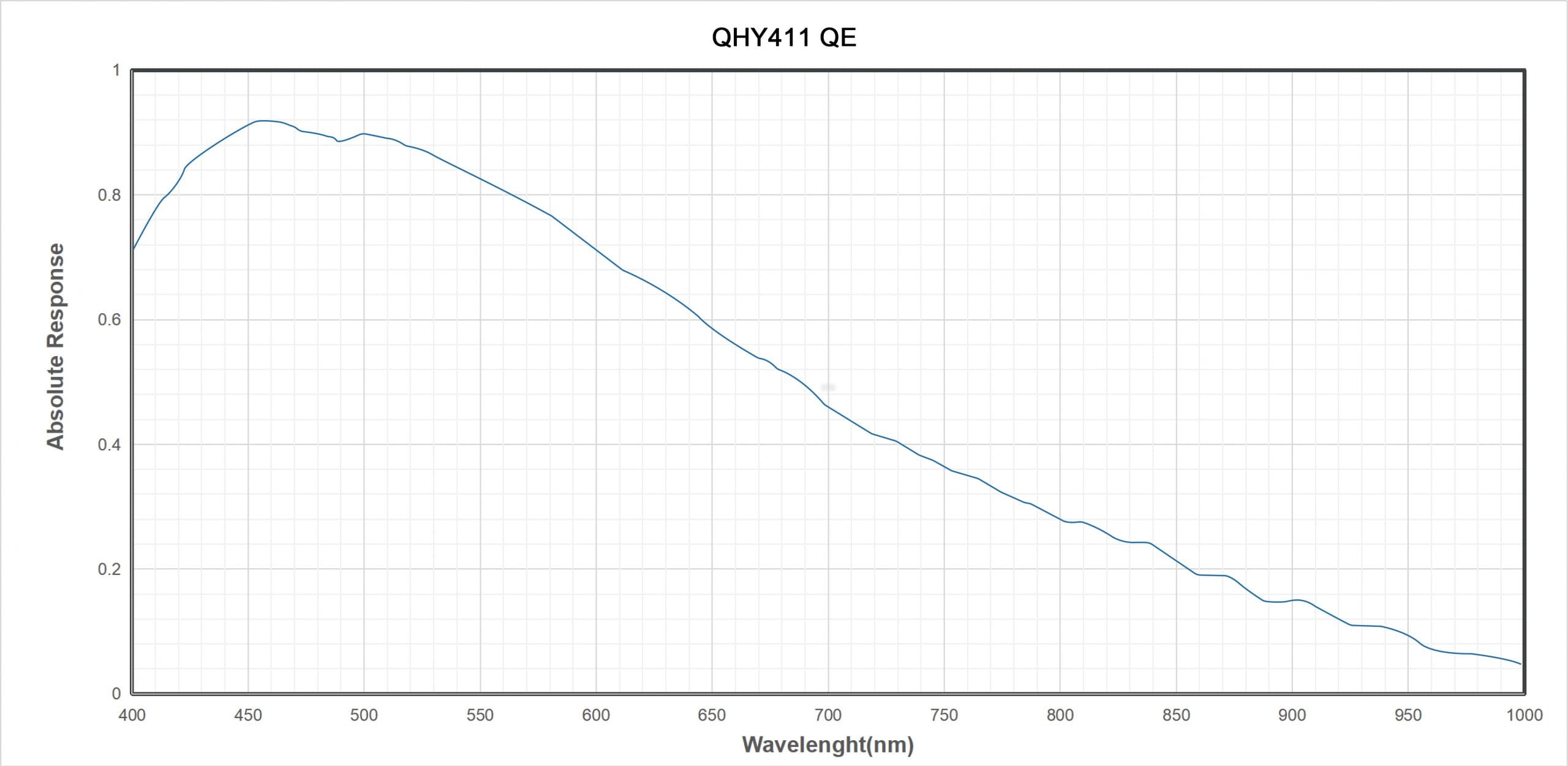
The back-illuminated CMOS architecture significantly boosts the sensor's full well performance. With this design, light enters from the rear side of the sensor, while the wiring lies beneath the photosensitive layer. This setup ensures that more photons reach the active layer, converting into electrons more efficiently. This conversion efficiency, known as quantum efficiency, directly improves the camera's sensitivity–especially crucial for capturing faint astronomical details.
While many DSLRs claim RAW output, close inspection often reveals built-in noise reduction or hot pixel masking, which can affect deep-sky imaging–commonly known as the “star eater” effect. In contrast, QHY cameras produce genuine RAW images that preserve the original sensor data, granting full flexibility for post-processing and scientific analysis.
This model is designed to be completely free from amplifier glow, enhancing image clarity and fidelity
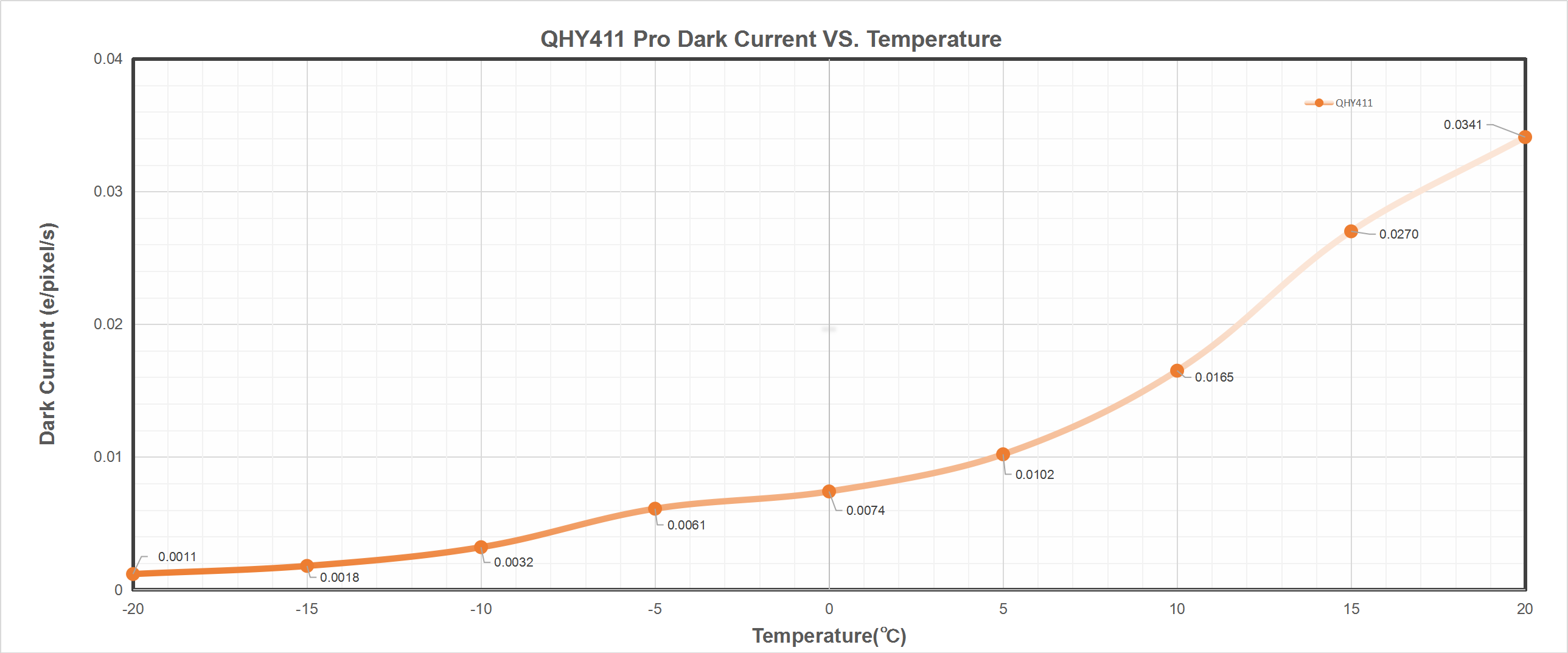
Alongside its dual-stage thermoelectric cooling, QHYCCD integrates proprietary methods to minimize dark current noise. The optical window includes a built-in heater, while internal components are protected from condensation. An electric heating element ensures that dew does not form on the chamber window.
With nearly two decades of experience in designing cooled cameras, QHYCCD has perfected its sealing solutions. The sensor chamber is kept dry using a silicone gel tube socket, preventing internal humidity build-up. Furthermore, there’s no risk of oil leakage within the sealed system.
QHY’s 16-bit camera series (including QHY600, QHY268, QHY461, and QHY411) supports multiple readout modes, each using unique driver timings to achieve different levels of performance. More details can be found in the “Multiple Readout Modes and Curves” section.
Some back-illuminated CMOS sensors display time-variant thermal noise, which appears at fixed locations but with values that don’t correlate with exposure time. The QHY600, 268, 461, and 411 models incorporate advanced suppression technology that dramatically reduces the visibility of this random thermal interference.
Under Voltage Lockout (UVLO) prevents damage to the camera caused by abnormally low input voltages.
While it’s commonly known that overvoltage harms electronic devices, undervoltage can also degrade performance or cause failure. Precision instruments like cameras may suffer long-term effects or even component burnout (e.g., power managers) from consistently low voltage. Since the 2021.10.23 stable SDK release, the system issues a warning if the input voltage drops below 11V.
Horizontal banding can appear in CMOS sensors, typically mitigated via stacking. However, periodic horizontal banding may persist through stacking. By adjusting USB traffic settings during single or live frame acquisition, users can shift the CMOS driver frequency to suppress such artifacts effectively. This method is particularly efficient for minimizing periodic noise.
An example of Periodic Horizontal Noise may be observed when certain USB_TRAFFIC values are used.
 After Adjusting the USB Traffic to avoid the periodic horizontal noise.
The camera can be rebooted by simply toggling the +12V power supply, without needing to disconnect and reconnect the USB cable. This feature is ideal for remote observatory setups, where the camera can be rebooted through remote-controlled power switches, simplifying operational workflows
The QHY411 camera now offers support for 3×3 on-chip binning. Unlike most software-based binning methods, hardware-level (on-chip) binning allows for significantly higher frame rates.
Since many applications with continuous or video output functions–such as SharpCap–typically support only 8-bit or 16-bit output modes, selecting 8-bit output is essential to fully leverage the enhanced frame rate capability.
Performance Comparison (USB3.0 Full Resolution)
1×1 binning at 8-bit: 2 fps
3×3 On-chip Binning in 12bit Mode: Up to 20 fps
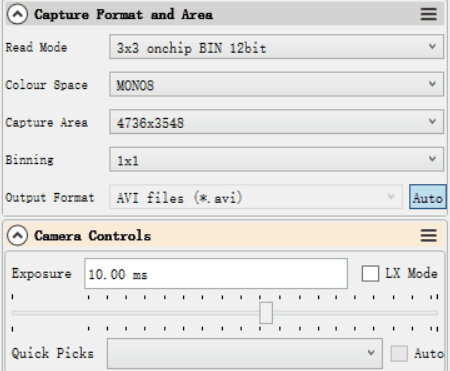
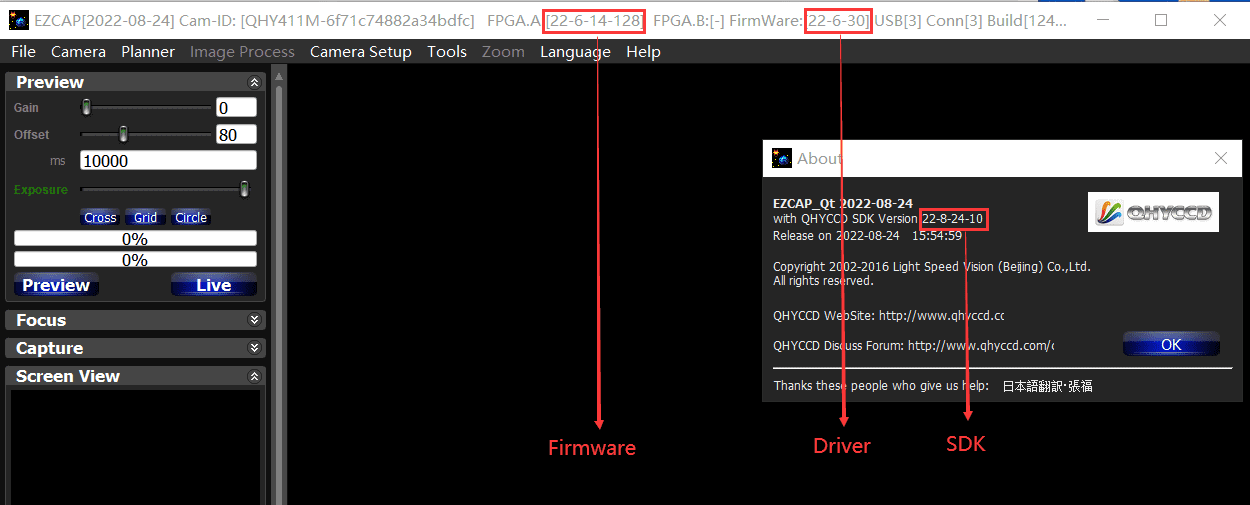
To enable this feature, users must ensure they have the latest All-in-One Driver Pack and firmware installed.
Driver and Firmware Update Instructions
Refer to the "Download" section on the official website for All-in-One Driver updates.
To perform the firmware upgrade, you’ll need the firmware update package version 20220824 or later. Please do not use older upgrade utilities. The ZIP file includes the required firmware files, the upgrade tool, and full installation instructions. Be sure to carefully read all included directions before proceeding. If you encounter any difficulties, please get in touch with support.
Installation Instructions:
Consult the document in the compressed file or refer to the online guide.
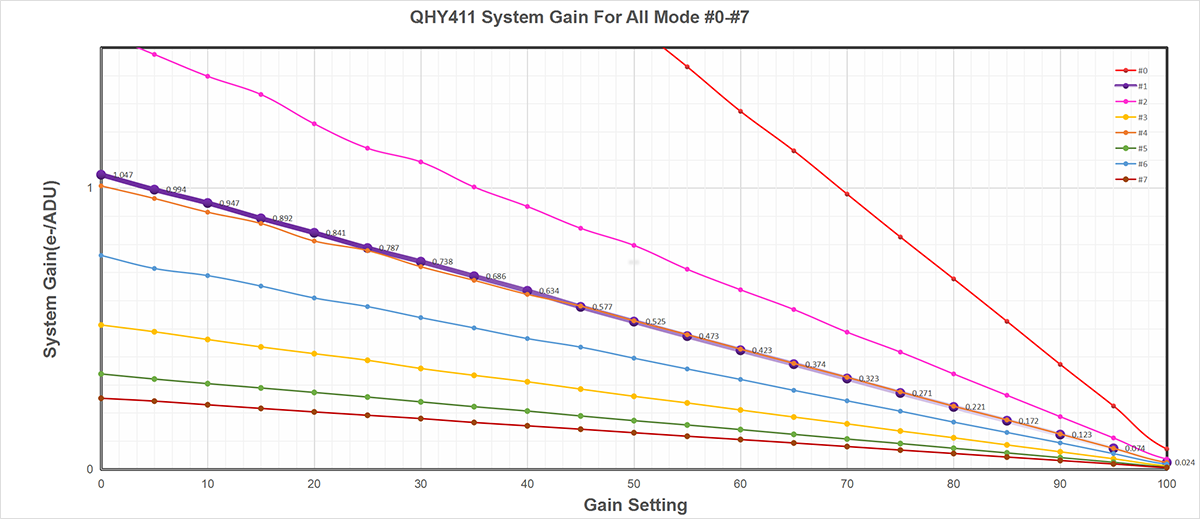
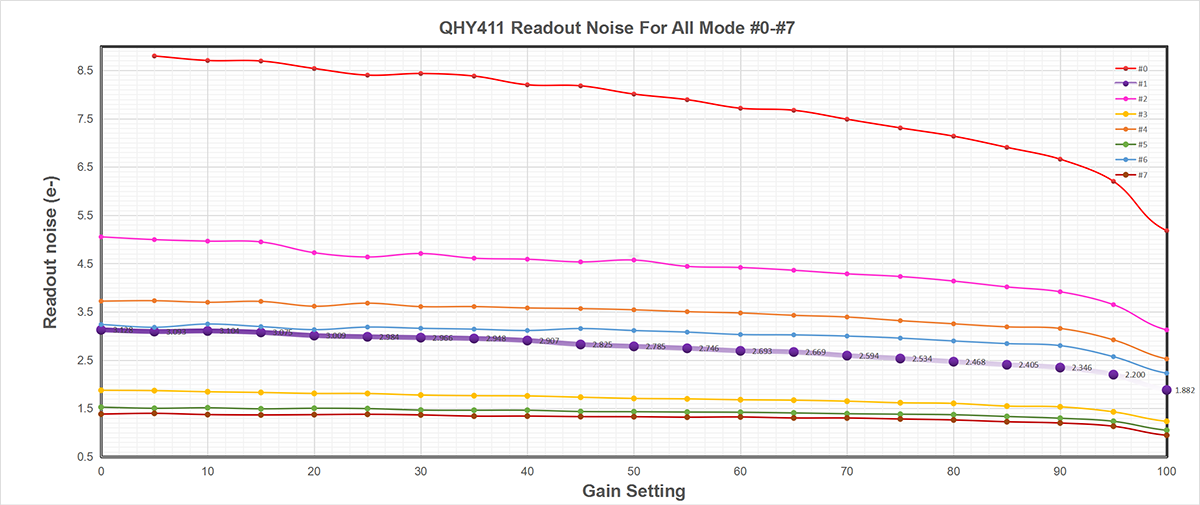
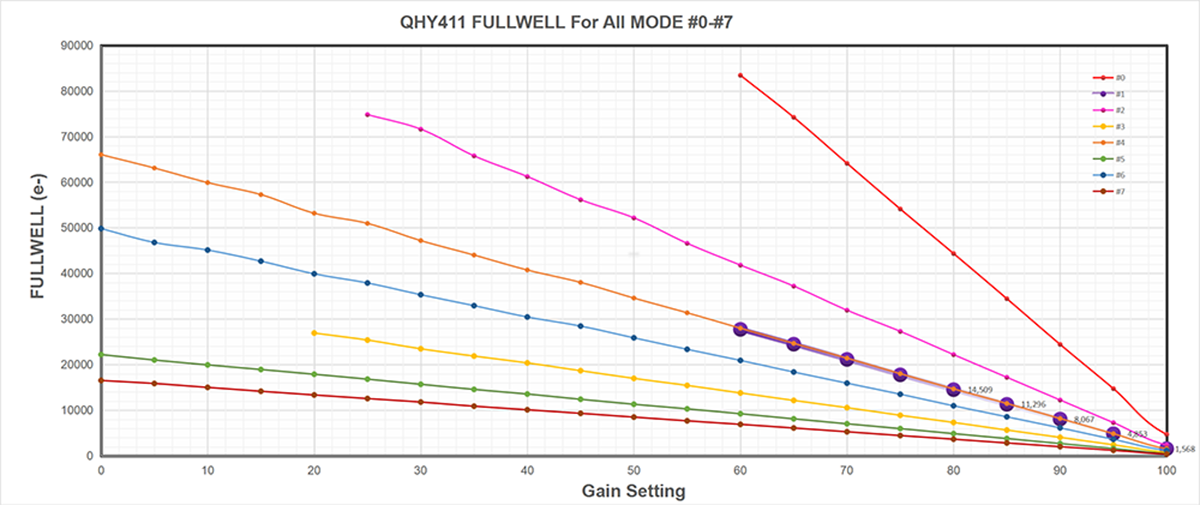
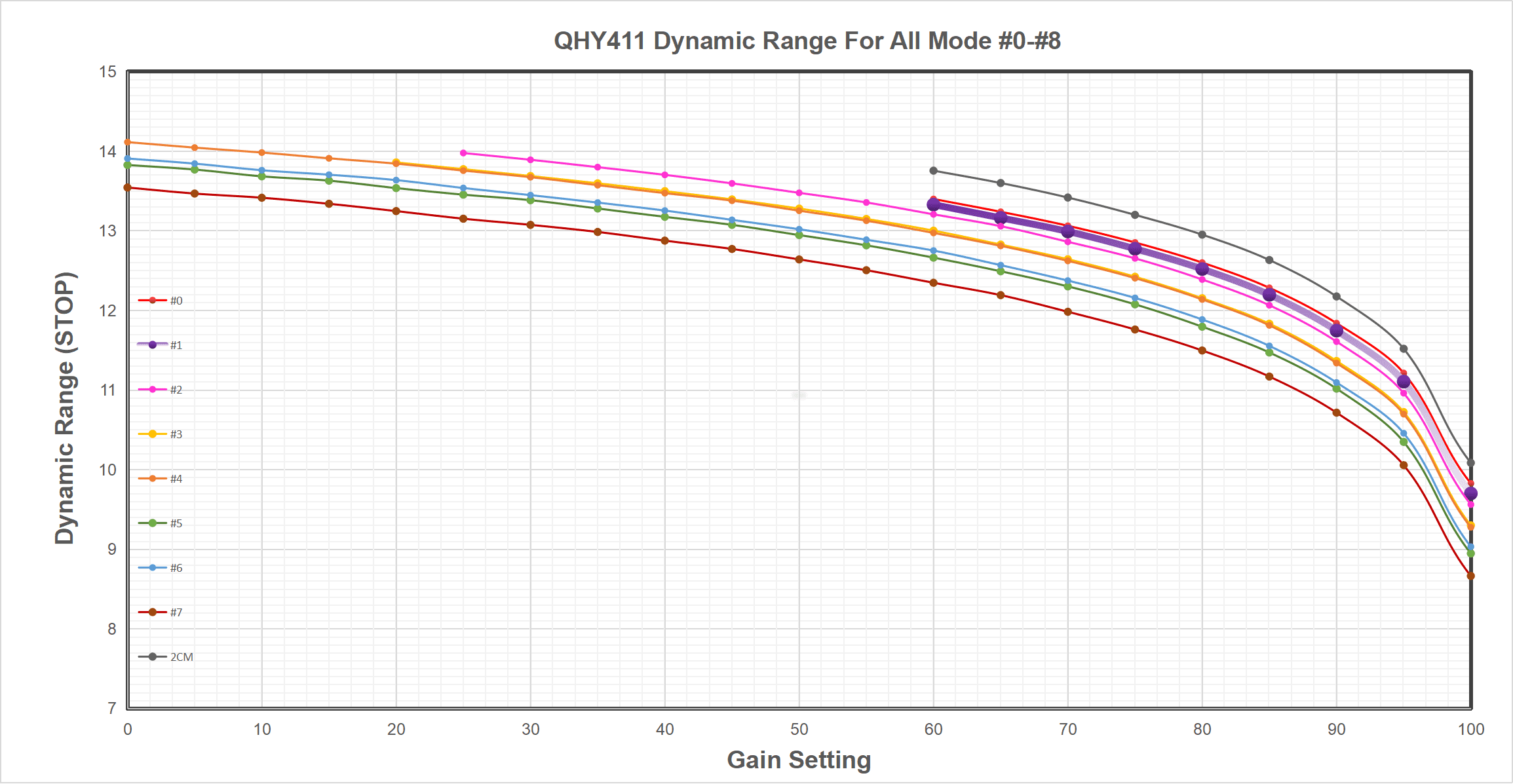
To provide maximum adaptability, the QHY411 includes a full suite of readout modes designed for varying imaging scenarios. At present, eight distinct readout modes (numbered from #0 to #7) are available, with more to be introduced in future updates.
Each of these modes presents different characteristics regarding system gain, readout noise, and full well capacity. The following chart illustrates the performance profile of each mode. By comparing values across modes, users can choose the configuration best suited to their imaging needs. The full dataset with measured values can be downloaded here:
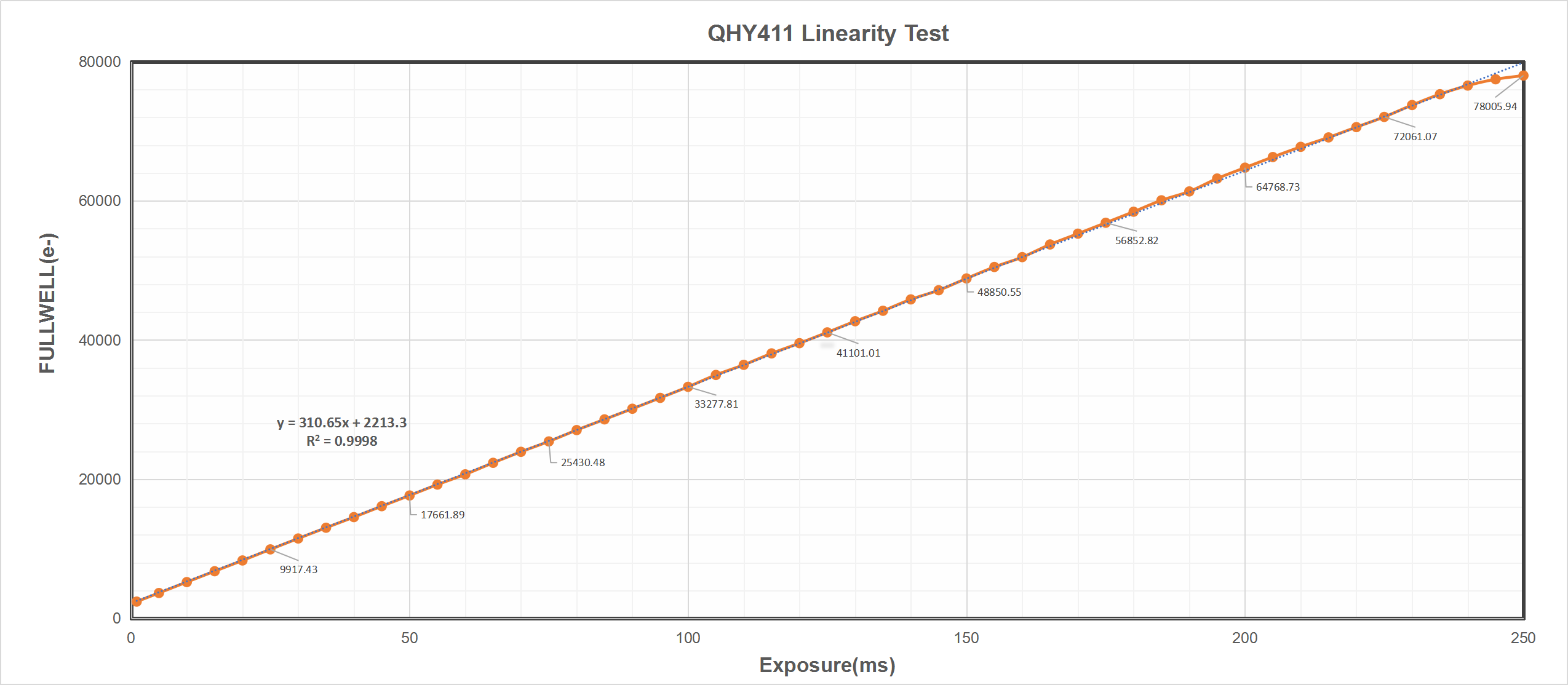
A preliminary experiment was conducted to evaluate the linearity of the QHY411 camera, confirming its capability for precise astronomical photometry.
This test measured the signal deviation from a fixed region while capturing a flat field at varying exposure times. The collected data were then converted to volume units and plotted based on the increasing exposure. For this experiment, correction mode was used with a gain setting of 0 (corresponding to GAIN = 60) to ensure broad dynamic range.
The resulting graph demonstrates that the QHY411 maintains excellent linearity across most of its range. Linearity begins to taper only when the full scale exceeds 75,000e, consistent with typical sensor behavior in the upper response zone.