Overview
With advancements in low readout noise and high-speed data capture, CMOS technology has transformed the field of astronomical imaging. A monochrome, back-illuminated, high-sensitivity camera for astronomy and still video is now the preferred tool for astrophotographers.
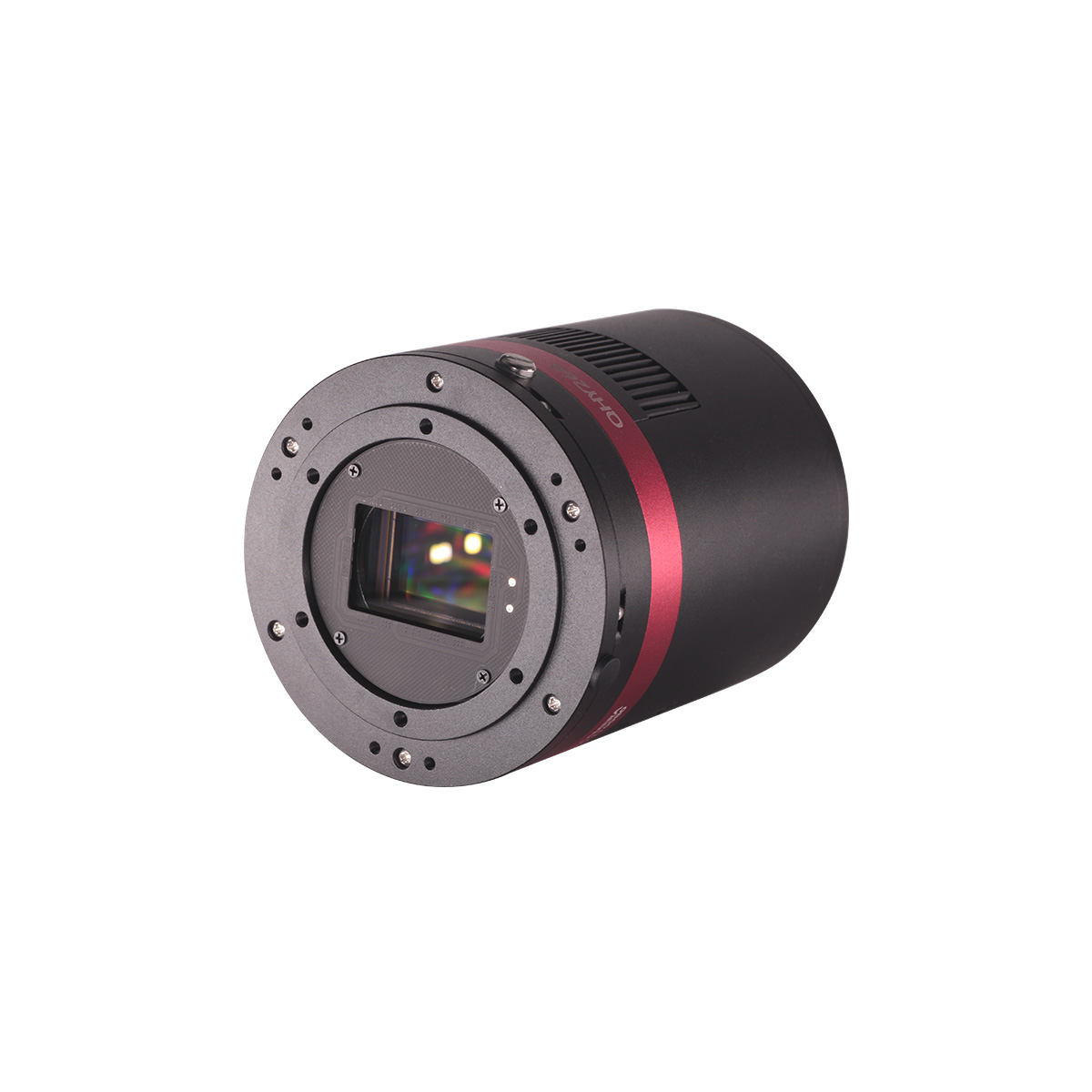
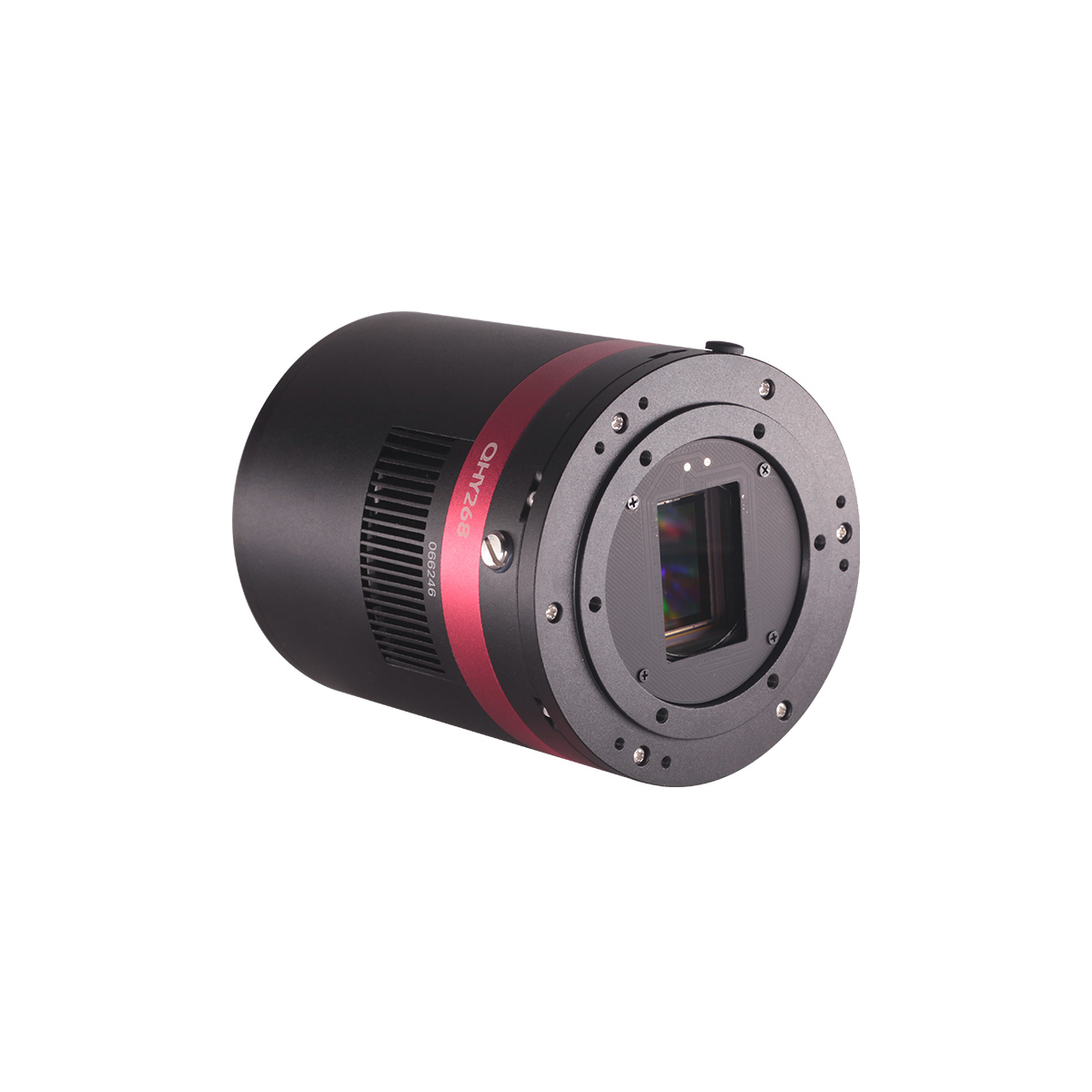
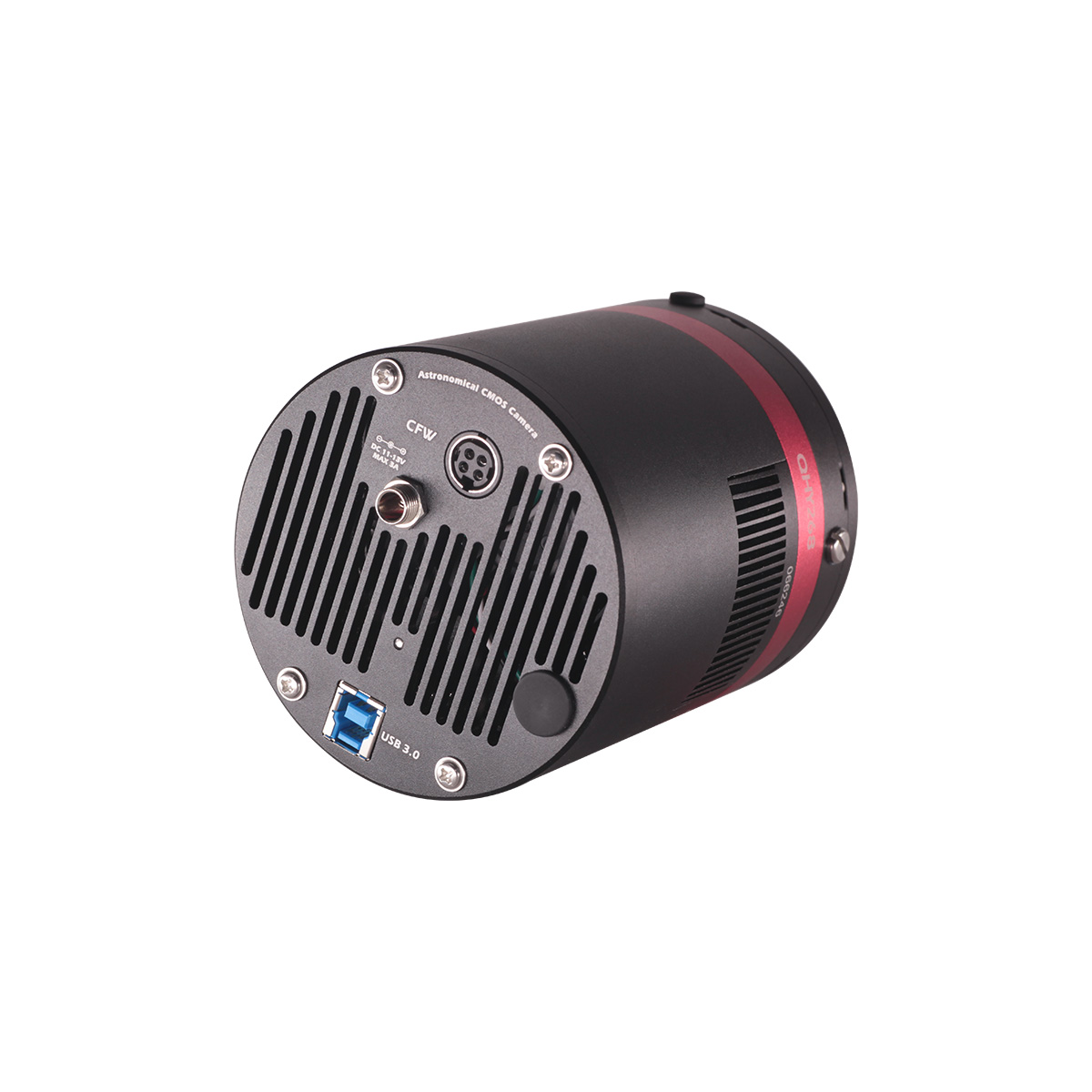
The QHY268M/C represents the new generation of back-illuminated CMOS cameras, incorporating native 16-bit A/D conversion and 3.76μm pixel size. This Sony sensor eliminates amplifier glow and ensures true 16-bit output, providing 0-65535 levels of grayscale for smooth transitions. Based on the Sony IMX571 sensor, the QHY268M/C is a cooled, back-illuminated camera optimized for precision.

1GB DDR3 Image Buffer
To facilitate seamless data transmission from the 26MP sensor, the QHY268 is equipped with a 1GB DDR3 memory buffer. Given the high pixel density of modern CMOS sensors, this memory allows smooth frame capture and transfer while reducing CPU load on the host computer.
Internal Humidity Sensor
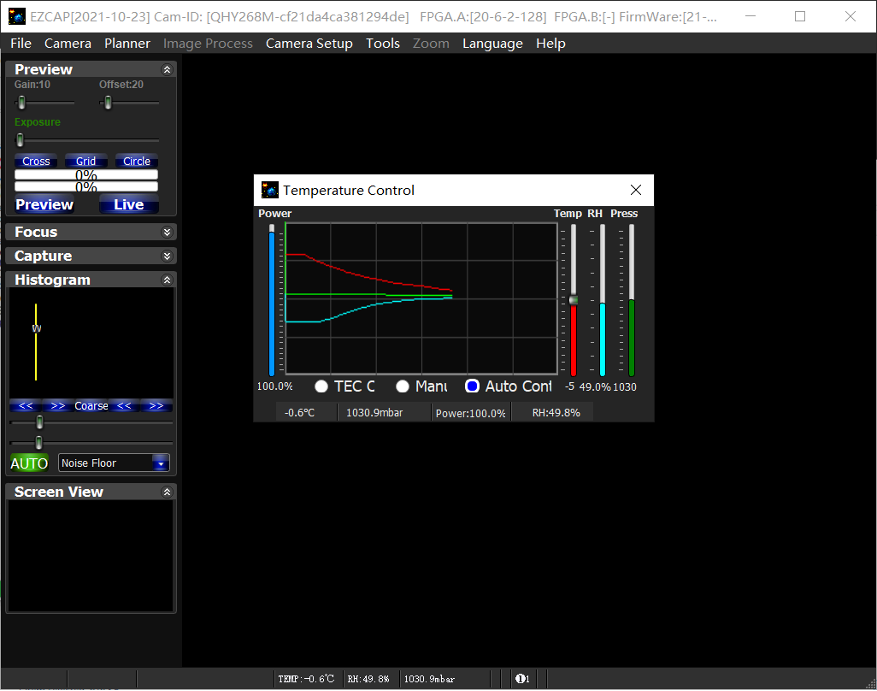
Unique to the QHY268M, this model includes a built-in humidity sensor for real-time monitoring.
Native 16-bit A/D
The sensor's true 16-bit on-chip conversion offers 65536 output levels. This higher bit depth translates to increased dynamic range and more accurate digital representation of light intensity with lower system noise.
Back-Illuminated Structure (BSI)
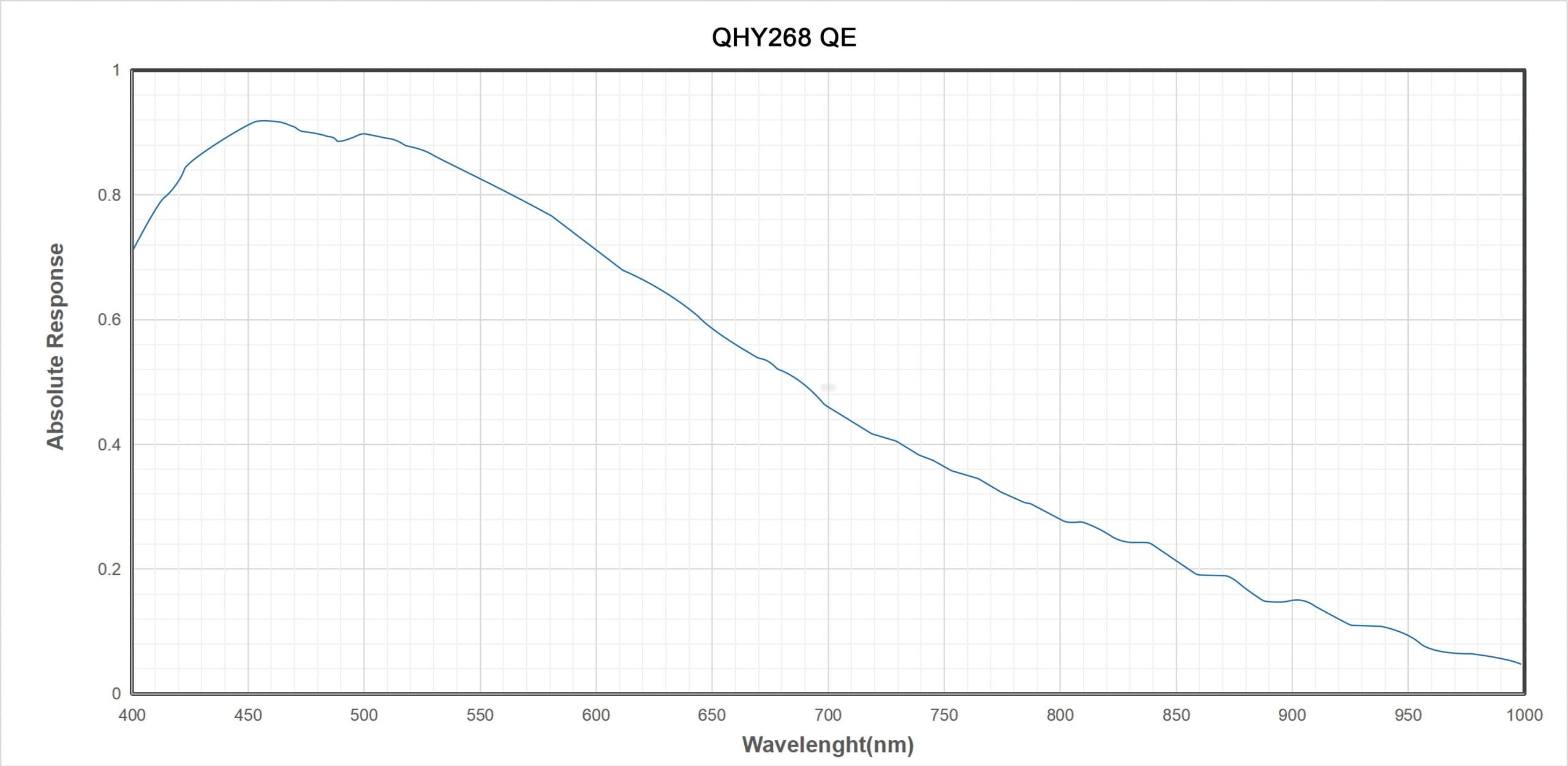
The BSI design allows photons to reach the photosensitive surface without obstruction from wiring layers, improving photon capture and resulting in greater quantum efficiency and full well capacity.
TRUE RAW Output
Unlike DSLR RAW formats, which may undergo in-camera processing, QHY cameras deliver unaltered RAW data. This preserves maximum detail for scientific or astrophotographic processing.
Zero Amplifier Glow
This model avoids the common amplifier glow found in some CMOS cameras, ensuring cleaner long-exposure images.
Cooling and Anti-Dew Control
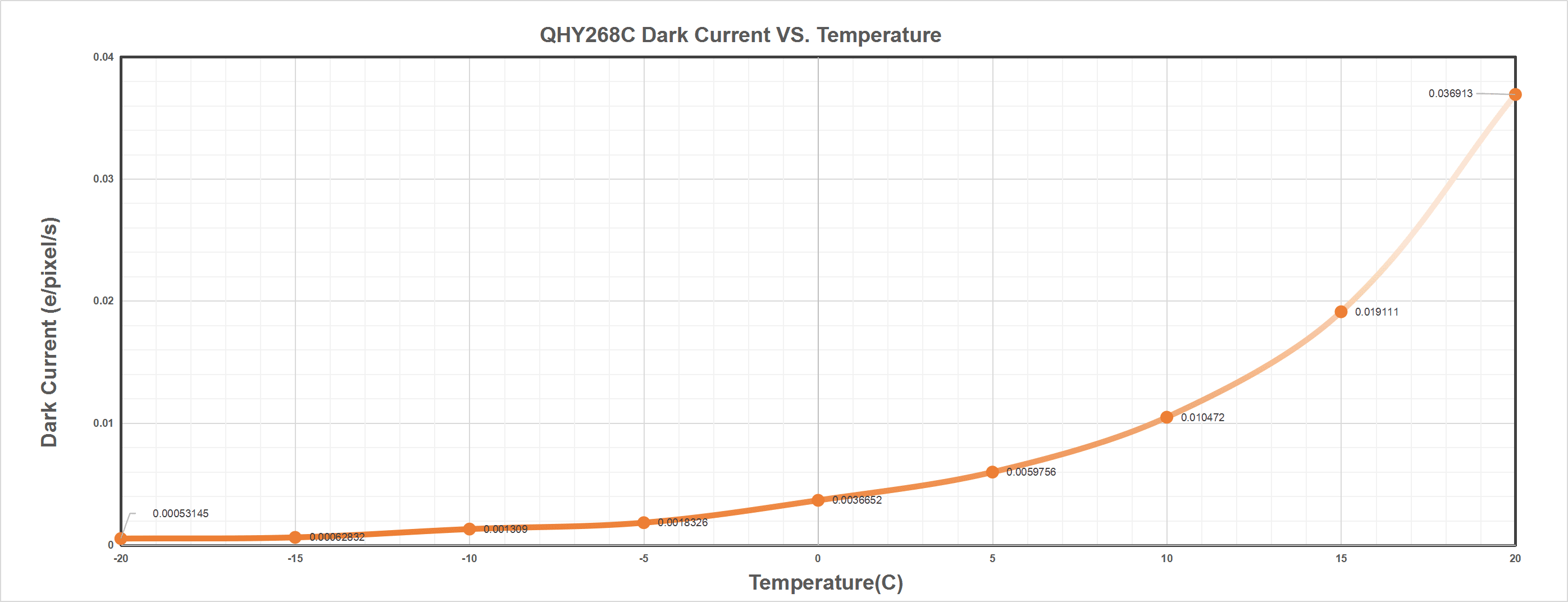
The dual-stage TE cooling system, combined with QHYCCD’s custom technology, minimizes dark current. A heated optic window and internal dew control prevent condensation.
Sealing Technology
Using over two decades of cooled camera development, QHYCCD has implemented secure sealing and humidity control using silicon gel designs, with no risk of internal oil leakage.
The QHY 16-bit camera models (QHY600/268/461/411) offer multiple readout modes, each tailored with unique driver timings and internal configurations. These modes deliver varying levels of performance and are available through platforms like ASCOM, SharpCap, and N.I.N.A. For more insights, refer to the section “Multiple Readout Modes and Curves”.
In some back-illuminated CMOS sensors, you may notice thermal noise that shifts over time. This type of noise typically appears in fixed positions but does not scale with exposure duration. Rather, each captured frame may show its own unique pattern. The QHY600/268/461/411 series incorporates advanced suppression technology that effectively minimizes this inconsistent noise, ensuring cleaner image results.
Under Voltage Lockout (UVLO) safeguards the camera electronics against damage from excessively low voltage input.
We know that electronic devices must operate within a defined voltage range; exceeding this range, even on the lower end, can impact performance and device longevity. For precision imaging devices like cameras, continuous operation under low voltage conditions may damage components–such as the power management system–due to sustained overload.
Starting from the driver and SDK version released on 2021.10.23, the system will now alert users if the input voltage falls below 11V, helping prevent long-term electrical stress or failure.
CMOS sensors sometimes produce visible horizontal banding. While random horizontal noise is typically corrected through multi-frame stacking, periodic banding may persist and impact the final image quality.
To combat this, you can fine-tune the USB traffic settings in either Single Frame or Live Frame mode. Adjusting this parameter alters the internal frequency driving the CMOS sensor, which can significantly minimize or eliminate periodic horizontal artifacts in many scenarios.
QHY cameras are designed to allow power-based rebooting using the +12V supply line, eliminating the need to manually reconnect the USB cable.
To reboot, simply power off the +12V supply and restore it–no USB interaction is required. This feature is particularly useful in remote observatories where physical access is limited. Users can control power using remote switches to reset the camera when needed without impacting the USB connection.
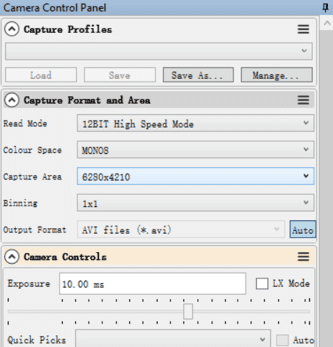
If your imaging workflow demands a higher frame rate–such as for meteor detection or video-style imaging–you may benefit from enabling the high-speed 12-bit mode.
Most applications that support continuous output (e.g., SharpCap) are limited to 8-bit or 16-bit output formats. To take advantage of the speed improvements in this 12-bit mode, you'll need to select 8-bit mode in software to unlock higher frame rates.
Frame Rate Comparison at Full Resolution (via USB 3.0):
Before upgrade: 8-bit mode → 6.8 fps
After upgrade (12-bit out, 8-bit selected): Up to 14.5 fps
To enable this functionality, update your firmware, driver, and SDK together.
All-in-One Driver Package (BETA 20220817 or newer):
Download Link
Firmware Upgrade Package (20220824 or newer):
Firmware Zip Download
⚠️ If you have an older version of the firmware upgrade utility, please discard it. The new package contains:
The latest firmware
Firmware flashing tool
Detailed upgrade instructions
Instructions:
Refer to:QHY268 Firmware Upgrade Guide
If you face any issues during the upgrade, it's recommended to contact QHYCCD support directly.
Multiple Readout Modes and Performance
Mode #0: Photographic Mode (recommended for general deep-sky imaging, ideal gain is 26)
Mode #1: High Gain Mode (for dim targets, optimized at Gain 56)
Mode #2: Extended Full Well Mode (increased full well, up to 75ke- on QHY268)
Mode #3: Extended Full Well - 2CMS (reduces noise while maintaining performance)
Mode #4: Photographic Mode - 2CMS
Mode #5: High Gain Mode - 2CMS
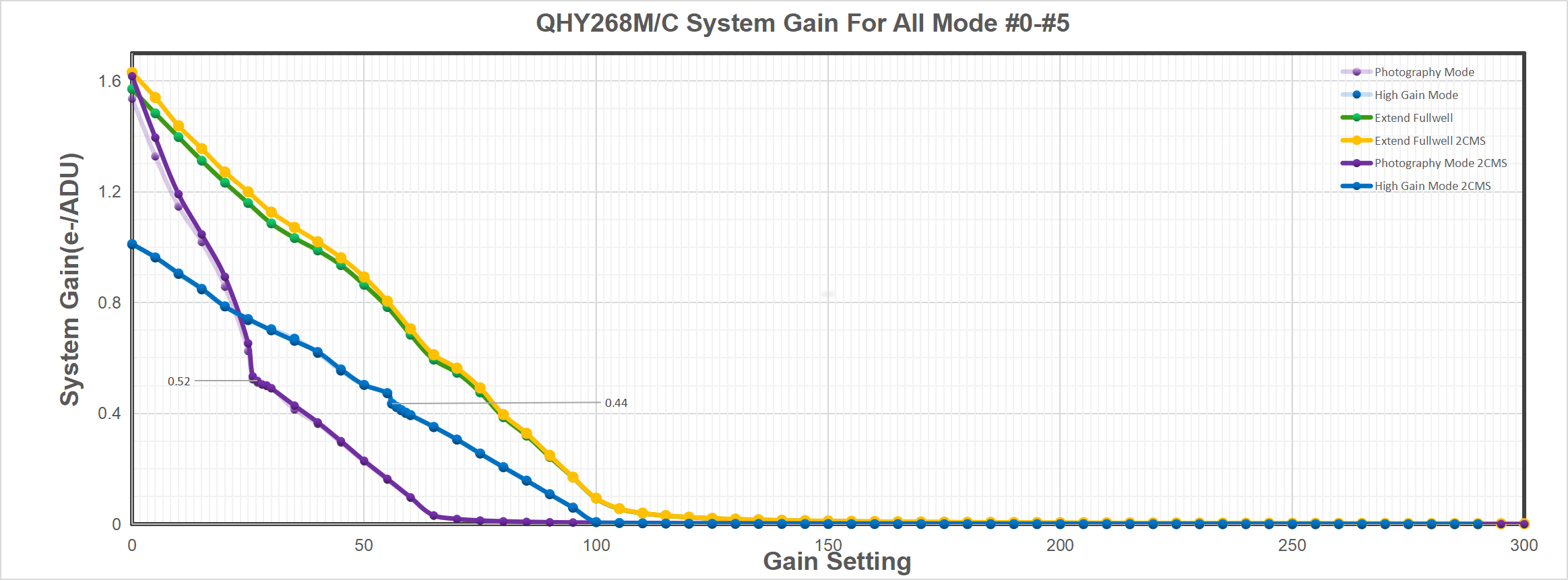
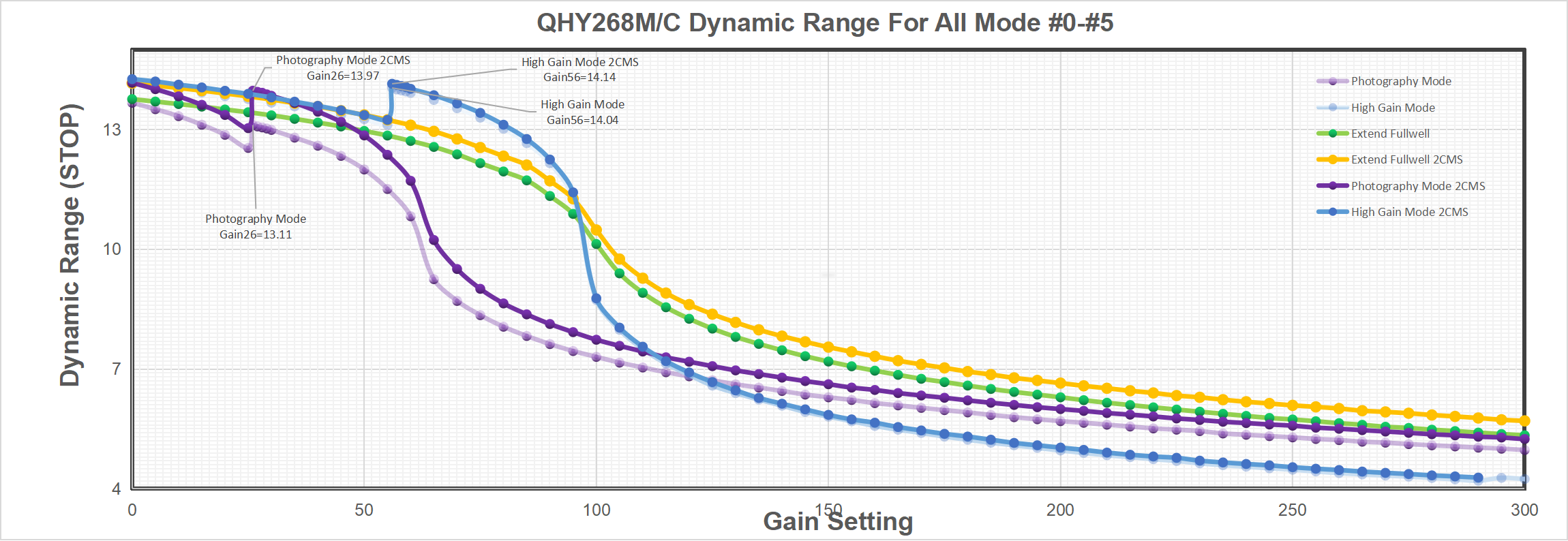
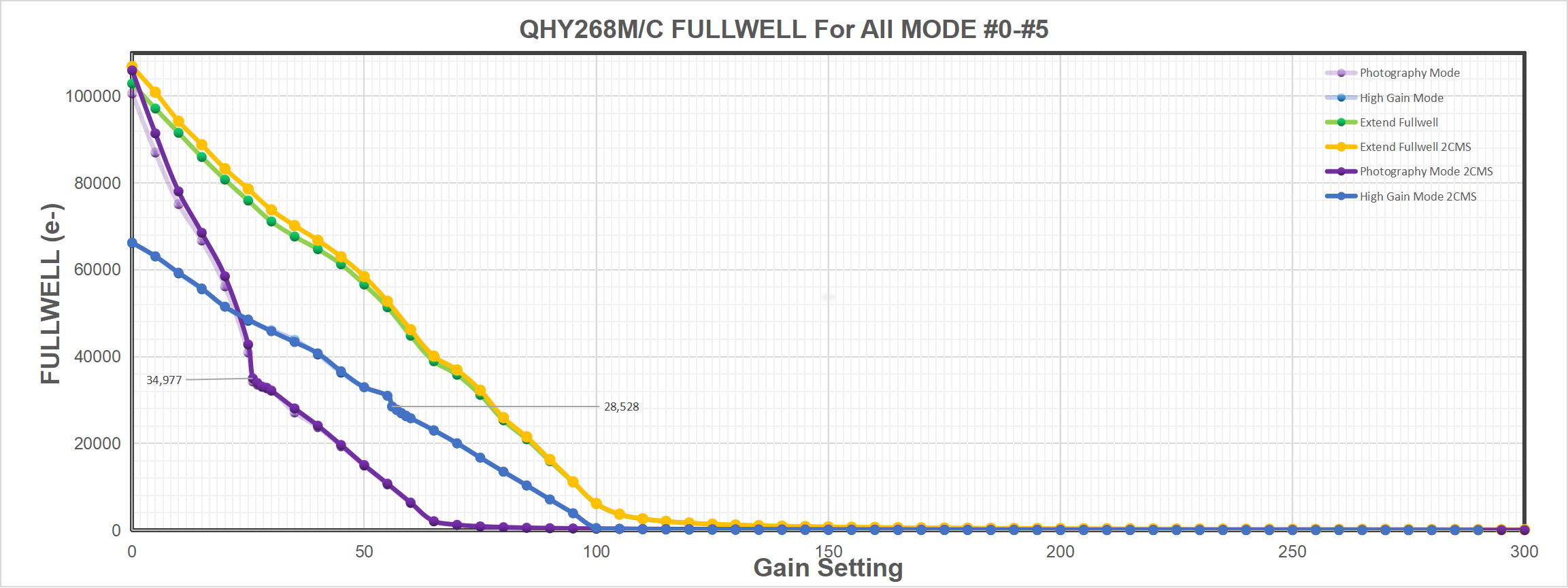
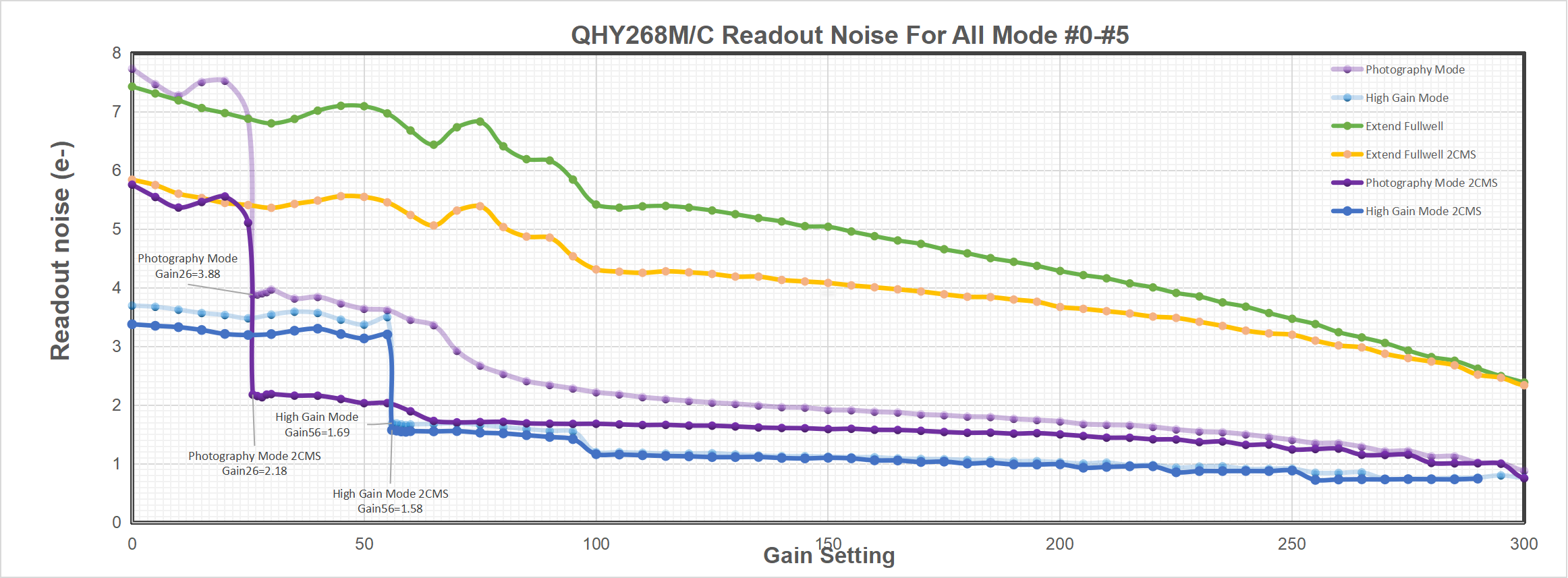
QHY’s 16-bit camera models, including QHY600, QHY268, QHY461, and QHY411, are equipped with specialized Multiple Readout Modes, each designed to deliver distinct performance characteristics. These modes are fully compatible with control software such as ASCOM, SharpCap, and N.I.N.A.
This mode is optimized for capturing deep-sky objects (DSOs) and is ideal for general astrophotography. Notably, there is a significant reduction in noise between Gain 25 and Gain 26, also known as unity gain. For most users, Gain 26 is recommended by default, although Gain 0 still performs well with a true 16-bit sensor.
This mode functions similarly to the dual native ISO settings found in some modern DSLR or mirrorless cameras, where dynamic range expands significantly at high ISO values like ISO800 or ISO3200. In this mode, QHY 16-bit cameras achieve enhanced dynamic range, making it especially useful when imaging very faint or low-light subjects.
Note: For the QHY600, QHY268, and QHY461, the High Gain / Low Gain crossover point (HGC/LGC) is at Gain 56. To maximize performance, you should configure the camera to Gain 56 when using this mode.
Despite their compact 3.76μm pixel size, these sensors already support an impressive full well capacity of approximately 51ke-. QHYCCD has gone a step further by enabling users to manually switch to a mode that extends this capacity.
When Extended Fullwell Mode is activated, the QHY600 can achieve a full-well capacity of up to 80ke-, while the QHY268 reaches nearly 75ke-. This results in a higher dynamic range, allowing you to capture greater variations in brightness without easily saturating the sensor.
Mode #3: Extended Fullwell Mode – 2CMS
Mode #4: Photographic DSO Mode – 2CMS
Mode #5: High Gain Mode – 2CMS
The 2CMS (Dual Channel Multi-Sampling) versions of the above modes further reduce readout noise by introducing a secondary sampling process while maintaining the same full-well capacity and system gain as their single-sample counterparts.
These modes are especially advantageous for astrophotography, where minimizing noise is critical. It's also worth noting that the recommended gain settings remain consistent with those of the original (non-2CMS) modes.
|
Item |
Quantity |
|
Camera |
1 |
|
Locking Power Cable |
1 |
|
USB3.0 Cable |
1 |
|
12V Power Adapter |
1 |
|
AV Power Cable |
1 |
|
Desiccant Tube |
1 |
|
M54 to 2” Nosepiece |
1 |
|
Adapter Kit Instructions |
1 |
|
Driver Download Guide |
1 |
|
Adapter Kit B1 (QHY268M) |
|
|
5mm M54 Adapter |
1 |
|
3mm M54 Adapter |
1 |
|
3mm M54-M42 Adapter |
1 |
|
For QHY268C |